Africa’s vast, largely untapped renewable energy could make it an attractive location for AI data centres as electricity becomes the main bottleneck for global AI infrastructure, according to an analysis by consultancy Strategic Gears — but only if the continent fixes its grids, regulation and financing.
Power is the new constraint
The International Energy Agency expects global data-centre electricity use to nearly double from 485 terawatt-hours in 2025 to 945 TWh by 2030, with AI-focused facilities accounting for about two-thirds of the increase. Around 90% of new capacity is expected in North America and Asia Pacific.
But grids aren’t keeping up. Data centres take two to three years to build; transmission lines take four to eight. In major European hubs, grid connection queues already stretch seven to ten years. “Data-center capacity is growing fastest where grids are least able to absorb it,” the analysis says.
Training can go where the power is
Strategic Gears argues that while AI inference often needs to be close to users, training models and other less time-sensitive workloads can run wherever power is reliable and cheap — opening a door for distant regions.
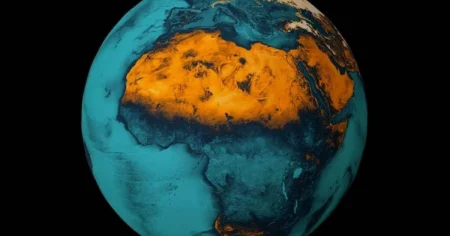
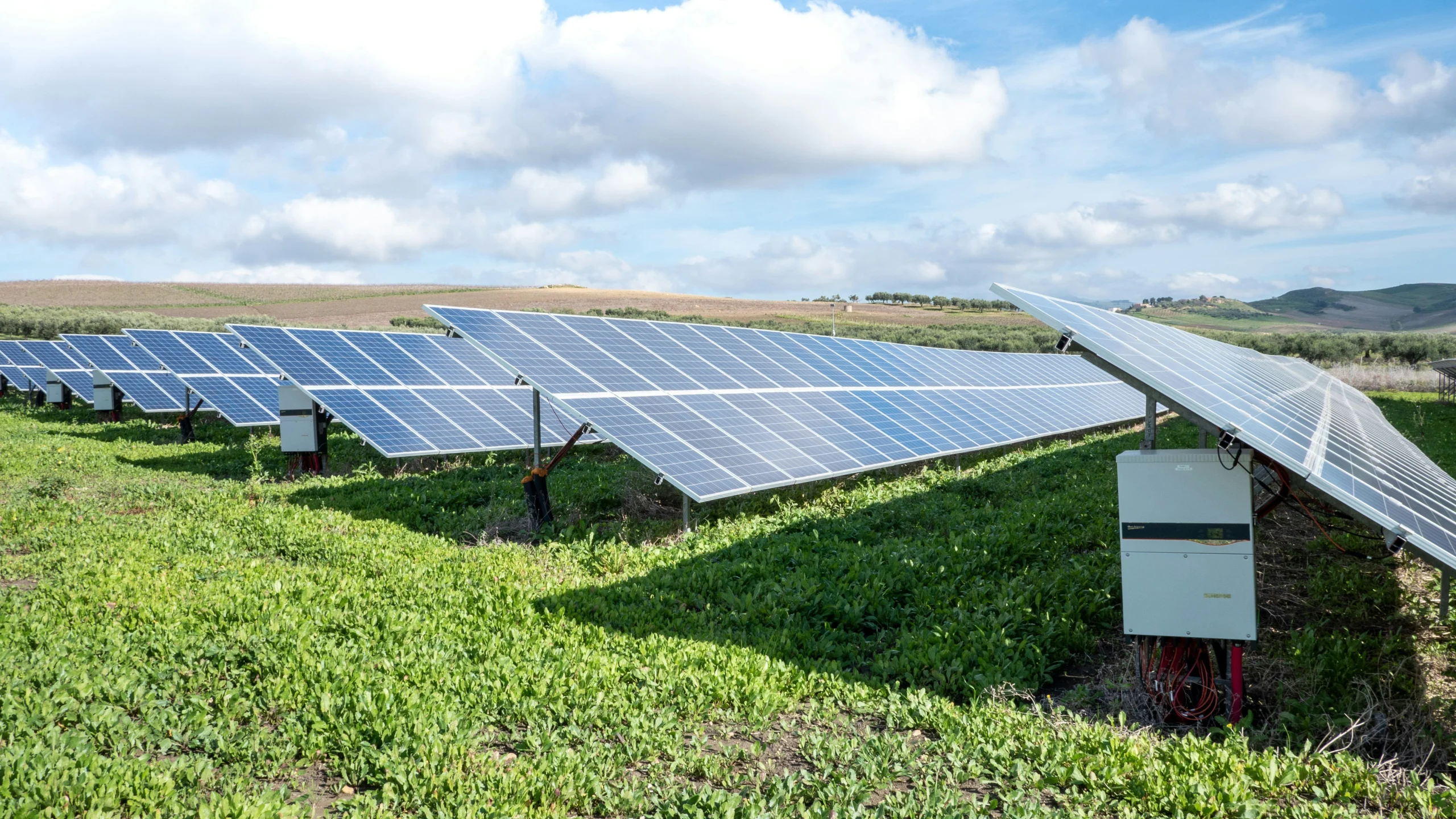
Africa holds 60% of the world’s best solar resources but just 1% of installed solar capacity. IRENA puts its technical solar potential at 7,900 gigawatts using only 1% of land, yet the continent had just 82 GW of installed renewable capacity of all kinds at the end of 2025. Only about 10% of its hydropower potential is developed. Africa attracts less than 2% of global clean-energy investment despite having about 20% of the world’s population.
Three priorities
The consultancy names expanding grids, clearer energy and data rules, and access to long-term finance as the keys. Capital costs for utility-scale clean energy in Africa are at least two to three times higher than in developed economies and China, making guarantees, concessional finance and long-term power contracts essential. It points to Egypt opening private renewable supply, Kenya investing in transmission, and South Africa expanding its grid.
“Africa’s renewable resources alone will not guarantee investment,” Strategic Gears concludes. “The markets that first offer connected sites under long-term power contracts will draw that investment.”