Tunisian agritech startup RoboCare has secured an undisclosed six-figure investment from venture capital firm 216 Capital, funding it will use to expand into new markets across Africa and the Middle East and to keep developing its AI-powered precision agriculture platform.
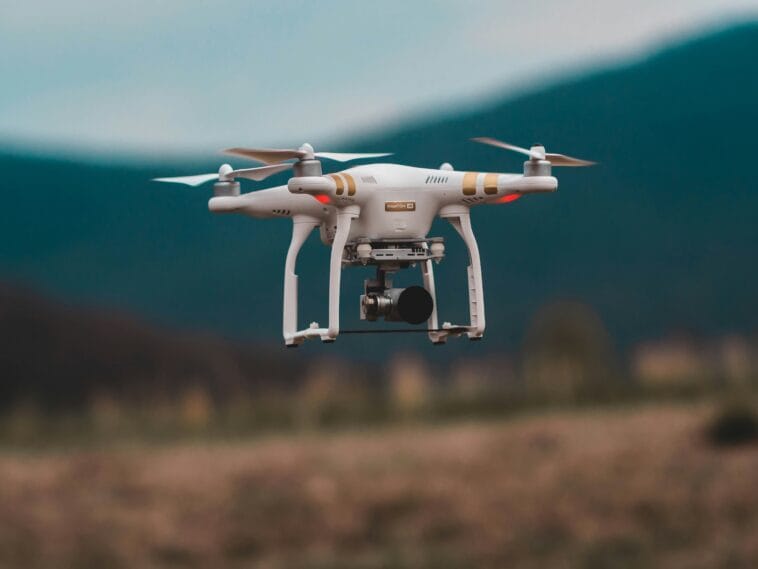
Founded in Sfax in 2020 by Imen Hbiri, RoboCare has built a platform that fuses satellite imagery, drone data, Internet of Things sensor readings, weather information and field-level agronomy expertise to detect crop disease and stress early, optimize resource use and — the company argues — measurably lift farm productivity across some of the region’s most strategically important crops.
According to its own figures, the platform has delivered water savings of up to 35%, a reduction of up to 25% in agricultural inputs, and yield increases of up to 20%. Those numbers are RoboCare’s own reported outcomes rather than independently verified metrics, and the company has not disclosed the specific farm-count or trial design behind them.
The crop focus is where the piece sits distinctively inside the African agritech AI landscape. RoboCare has built for olive trees, cereals and processing tomatoes — the three crops that anchor much of North African and MENA agricultural production and export. Rather than repurpose a general-purpose global agritech AI stack, the company trains its models on locally sourced data so that recommendations reflect the specific soil, climate and farming conditions of the region. That approach echoes the argument iAfrica has documented in multiple African AI stories over the past year — from Kenya’s Amini closing environmental-data gaps with satellite fusion, to Kenyan smallholder farmers running crop-disease detection through locally trained mobile AI apps — that models built on foreign data underperform when deployed into African and MENA operating realities.
RoboCare says its platform currently monitors several thousand hectares and has generated thousands of agronomic alerts to date, giving farmers and agribusiness operators earlier signals on potential crop-health and production issues. The company has also formed partnerships with institutional organizations and has been working to build a presence within international agritech networks.
The 216 Capital round will fund three specific priorities: entering additional markets across Africa and the Middle East, expanding the company’s commercial teams, and improving its AI models across a wider range of agricultural environments. Hassen Arfaoui, principal at 216 Capital, framed the investment as aligned with the firm’s strategy of backing “high-potential tech startups” that can deliver concrete answers to the continent’s economic, social and environmental challenges — a positioning statement 216 Capital has used across recent deployments in the North African tech ecosystem.
The wider context sharpens the case. Farmers across Africa and the Middle East are contending with intensifying climate pressure, water scarcity and rising production costs, and precision agriculture built on locally trained AI is one of the more direct operational responses available. RoboCare’s positioning sits alongside a handful of comparable African AI-in-agriculture players iAfrica has covered — including Amini in Kenya, Aerobotics in South Africa (whose drone-plus-AI precision agriculture platform is already serving growers outside Africa), and the AI-plant-disease-detection app used by Kenyan smallholders in Machakos County — each solving a different slice of the same problem shape.
For Tunisia specifically, the round adds to a visibly widening North African AI startup arc. The country produced InstaDeep, still one of Africa’s most consequential AI exports; Tunisian robotics observability startup OORB graduated last month from Propeller’s Silicon Valley Kernel Camp for MENA AI founders; and the government has begun integrating AI into national-scale systems including customs risk management. Whether RoboCare converts its current traction — several thousand hectares monitored, thousands of alerts generated — into the scale needed to become the region’s leading digital agriculture platform, as it has publicly stated it wants to, will depend on execution in the Sub-Saharan and Middle Eastern markets it is now expanding into.