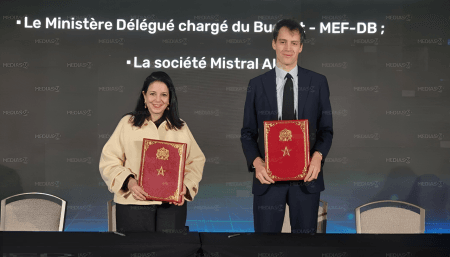
The UN Development Programme and the GSMA have signed a partnership to strengthen Africa’s AI ecosystem, with improved access to compute infrastructure for priority pilots named as a specific objective.
The agreement pairs the GSMA’s mobile industry networks with UNDP’s development programmes and innovation platforms, working through the UNDP timbuktoo initiative.
What it commits to
- Improving access to compute infrastructure for priority AI pilots — described as a persistent bottleneck for regional developers
- Connecting African talent to real-world AI applications
- Mobilising expertise across both networks, including the UNDP-supported University Innovation Pods network, AI labs and universities
- Supporting deployment of locally developed solutions
- Identifying pathways to long-term sustainability and scale
The compute element is the most concrete. Most partnership announcements of this kind stop at skills and convening; naming infrastructure access as a deliverable is a narrower and more testable commitment — though no allocation, provider or volume has been disclosed.
The language work behind it
The partnership aligns with the GSMA’s ATLAS Umoja AI initiative, launched in July with backing from the digital ministries of Benin, Kenya, Namibia, Nigeria and Togo.
That initiative is now working on pilot language models for Amharic, Malagasy, isiZulu, Pulaar and Kiswahili — five languages spanning East, Southern, West and Indian Ocean Africa.
It follows CommonLingua, released under the GSMA’s “AI Language Models in Africa, by Africa, for Africa” programme with French research company Pleias. That open-source model identifies 334 languages including 61 African ones, addressing a bottleneck earlier in the pipeline: global systems routinely fail to identify African text correctly before training even begins.
What the parties say
“Africa has the talent and creativity to shape the future of AI,” said Aissata De, officer-in-charge and regional director for Africa at UNDP. “Through this partnership, we will help connect innovators to the infrastructure, skills and opportunities needed to develop and scale AI solutions that address Africa’s priorities.”
Angela Wamola, head of Africa at the GSMA, framed the mobile industry’s role as distribution. “Africa’s AI future must be shaped by its own talent and reflect the languages and needs of its communities. The mobile industry has an important role to play in helping locally developed solutions reach the people and businesses that can benefit from them.”
Her second point names the gap the partnership targets: helping innovators “move from promising pilots towards sustainable services.”
What hasn’t been published
No funding figure, no number of pilots to be supported, no compute allocation and no timeline.
For a partnership whose stated purpose is moving projects beyond the pilot stage, those are the numbers that would show whether it does.
Based on reporting by ITWeb Africa.