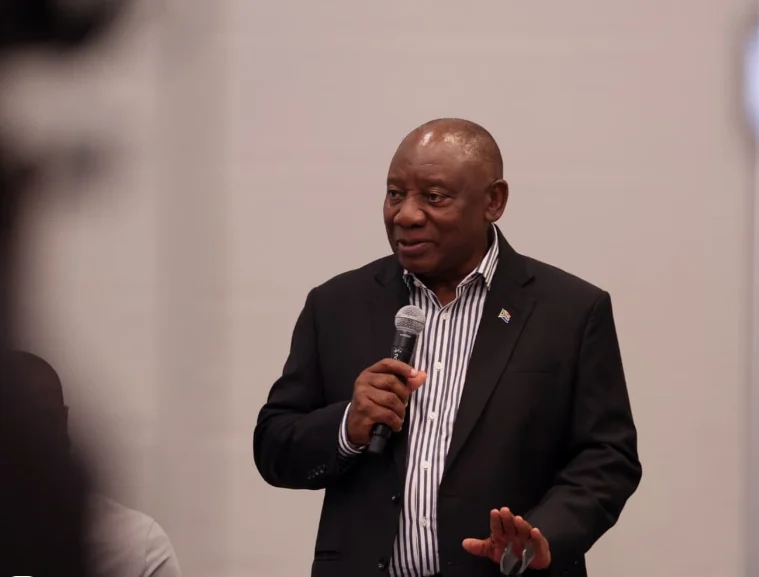
President Cyril Ramaphosa has told a South African delegation in Silicon Valley that the country must stop being a consumer of AI built elsewhere and develop its own technology, companies and intellectual property.
“We cannot afford to become merely consumers of these technologies that are controlled elsewhere, particularly in the northern hemisphere; we want to become active participants in shaping this new technological age,” he said in San Jose on Sunday, ahead of a programme of meetings with technology companies, investors, researchers and universities.
He gave the delegation a deadline: within 90 days of returning, it should identify a focused set of practical initiatives — investment opportunities, research and skills partnerships, and uses of AI to improve public services.
From infrastructure host to innovator
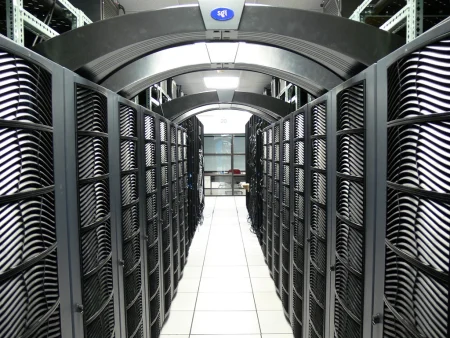
Ramaphosa pointed to South Africa’s universities, financial sector, growing tech industry and the data centres already built by Microsoft, Amazon Web Services and Google.
“We must move from being a location for digital infrastructure to becoming a centre of digital innovation,” he said.
He named data centres, advanced computing, research and development, and technology-driven industries as priority areas for cooperation, and said the visit would also look at how venture capital can help turn research into businesses.
Not a copy of Silicon Valley
The president said South Africa should learn from Silicon Valley without replicating it, building an innovation ecosystem that reaches entrepreneurs in townships and rural areas as well as cities.
He called for AI to remain subject to human oversight and democratic accountability, citing concerns over ethics, privacy, security and the concentration of technological power, and said government must become an early adopter of AI in public services.
He also acknowledged the state’s own role in slowing progress: “We cannot afford to move at yesterday’s pace in a world that is changing at tomorrow’s speed. The pace of technological change will not wait for the pace of our bureaucracy.”
Success, he said, would be measured not by meetings held but by the partnerships and investments that result.