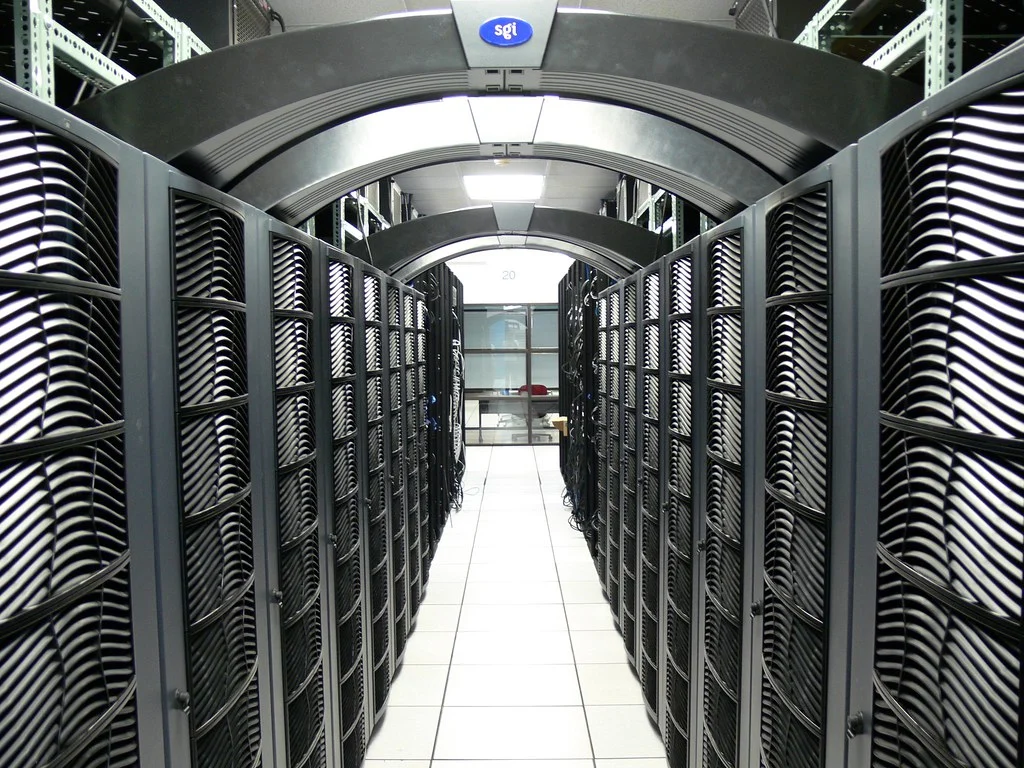
The US Federal Reserve has identified AI as the leading threat to American financial stability, citing the rapid growth of debt used to build data centres and computing infrastructure.
In its November Financial Stability Report, published on 13 November, 87% of market contacts surveyed named AI as a risk, up from 50% in the spring. The survey covered 23 contacts.
From valuations to debt
The shift reflects a change in how markets see AI risk — less about inflated share prices, more about how the build-out is being financed.
Debt issuance linked to advanced computing passed $680 billion by October, five times the 2023 level and about 31% of non-financial investment-grade issuance. The Fed estimates that related debt, guarantees and future lease commitments could exceed $3 trillion, and compared the pace of the build-out to the telecoms boom of the 1990s.
How stress could spread
The concern is contagion: a slowdown in AI earnings or construction could ripple through leveraged, interconnected financing, tightening credit and weakening investment.
Private-credit lenders are increasingly funding data centres, chips and related infrastructure, Reuters has reported, and Moody’s has warned that weaker borrowers may struggle to refinance loans maturing in 2027–29.
Credit markets are already becoming selective. After a recent selloff, some lenders have grown reluctant to take on more AI exposure, and some planned bond offerings have been shelved.
The Fed is not predicting a crash. But its message is that AI financing is now large and interconnected enough to transmit stress across credit markets.