For decades, Ethiopian farmers have followed blanket fertilizer recommendations, applying the same treatments regardless of soil type, weather, or geography. While fertilizer use has increased sharply in the past 20 years and improved yields somewhat, the gains have fallen short of expectations.
A new initiative, the “Regional Scale Crop Fertilization Response Trial Database for Ethiopia,” aims to change that by using artificial intelligence and machine learning to generate site-specific fertilizer recommendations. The project builds on more than 15 years of fertilizer trial data collected across the Amhara region.
Researchers will compile and standardize this data, then apply advanced algorithms capable of analyzing multiple variables — including soil conditions, yield histories, weather patterns, and fertilizer rates — to deliver precise, location-based guidance.
“This project will accelerate the application of machine learning and artificial intelligence in developing improved, site-specific fertilizer recommendations,” said Dr. Samuel Njoroge, a scientist at the African Plant Nutrition Institute (APNI). “Harnessing these datasets avoids the otherwise time- and resource-intensive process of generating new large-scale field data.”
Smarter fertilizer use could raise yields, cut costs for farmers, and reduce environmental damage from over-application. The approach also supports sustainable farming by protecting soils and limiting greenhouse gas emissions.
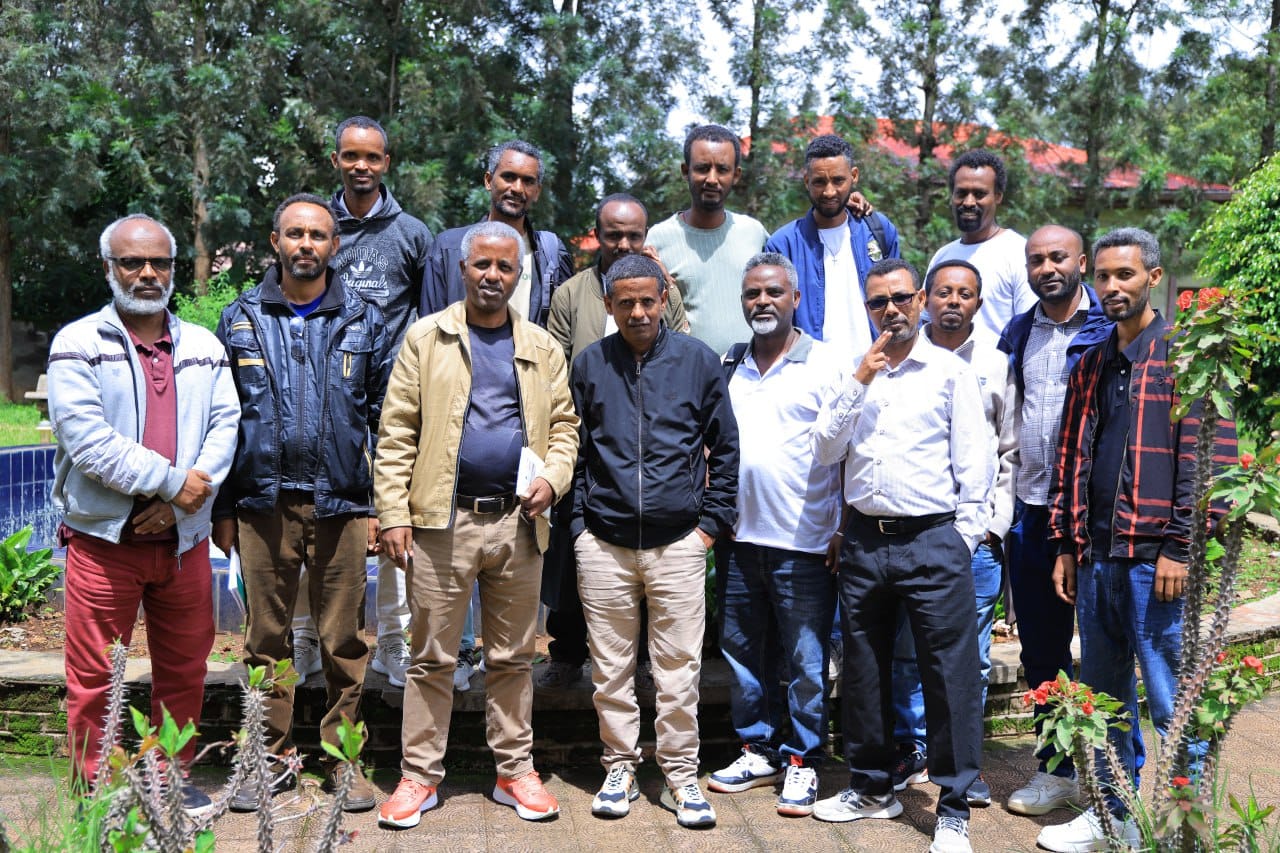
The project, launched at the Amhara Agricultural Research Institute headquarters in Bahir Dar, runs through 2026. It is supported by partners including Kansas State University and ARARI.
Researchers also plan to compare Ethiopian findings with similar datasets from across Africa, with the goal of creating tools that can be scaled regionally. By the end of the project, they hope to deliver practical, user-friendly solutions that benefit farmers, policymakers, and extension services.