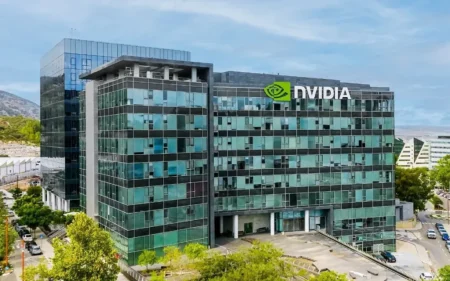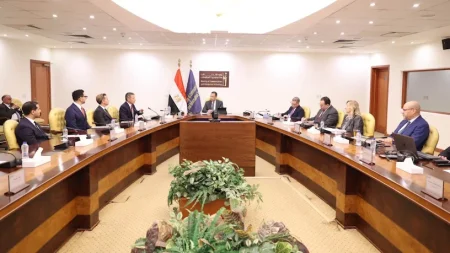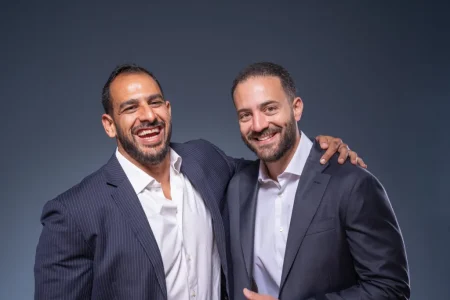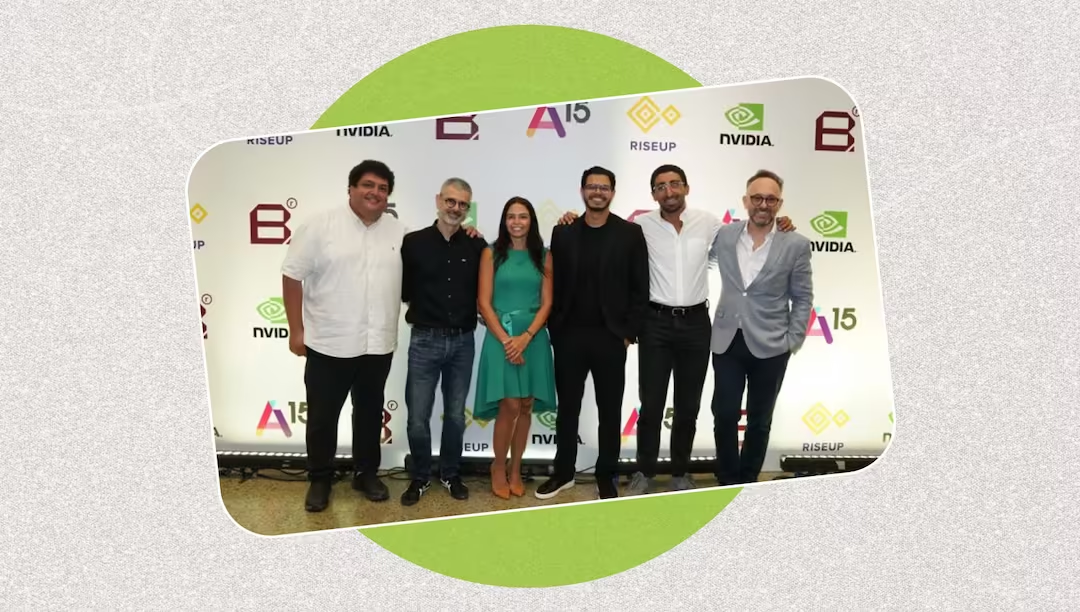
Egyptian startup ecosystem builders RiseUp, A15 and BitRoot have partnered with NVIDIA to launch NVIDIA SIGNALS, an accelerator programme aimed at early-stage AI founders in Egypt.
According to the partners, the programme is designed to give Egyptian AI startups access to NVIDIA’s technology stack, alongside mentorship and investment opportunities intended to help founders move from prototype to commercial deployment. The stated aim is to help startups scale AI products and services and open routes into markets beyond Egypt.
Details on cohort size, application windows, sector focus and specific NVIDIA compute allocations were not disclosed at launch.
RiseUp — the organization behind the annual RiseUp Summit in Cairo — is one of the most familiar names in Egypt’s entrepreneurship ecosystem. A15 is the same Cairo-based technology and venture capital firm that partnered with Hassan Allam Holding on the $400 million data centre licensed by Egypt’s National Telecommunications Regulatory Authority in June, positioning it inside the country’s expanding AI infrastructure play. BitRoot’s role in the partnership was not detailed further in the announcement.
The programme lands as Egypt’s AI ecosystem has been visibly widening. The country ranked first in Africa on the 2025 Government AI Readiness Index published earlier this year, and its Ministry of Communications has been building out AI-powered digital platforms for investment and trade. Egyptian AI startup activity has produced high-profile milestones over the past year — from Egrobots’ autonomous harvesting robot (built by a NVIDIA Inception member) to Meta’s July 2025 acquisition of voice-AI startup PlayAI. Egypt’s second National AI Strategy targets $42.7 billion in AI-related economic value by 2030.
NVIDIA’s own African footprint has been expanding through the same period. The company’s $700 million partnership with Cassava Technologies, announced in mid-2025, has been deploying GPUs to data centres across South Africa, Egypt, Kenya, Morocco and Nigeria — with the first 3,000 units landing in a Cassava-built facility in South Africa and up to 12,000 more slated for the other four markets over three to four years. The SIGNALS launch fits within a pattern of NVIDIA anchoring itself into African AI ecosystems through partnership with local ecosystem builders rather than direct entry.
That trajectory carries an unresolved policy question iAfrica has been tracking. Egypt is one of four African tech economies — alongside Nigeria, Kenya and South Africa — whose recent draft AI policies have identified dependence on Google, Microsoft, NVIDIA and Meta as a strategic risk to national sovereignty and security. Programmes like SIGNALS deepen access to US-built compute and technology for African founders in the short term, and simultaneously deepen the sovereignty debate that African policymakers are trying to work through. For individual Egyptian founders looking at their next funding round and GPU allocation, that debate is unlikely to shape the calculus. For the ministries drafting AI strategy in Cairo, it will.