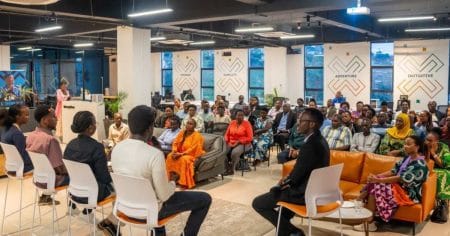
In the vibrant tapestry of Africa’s tech landscape, Artificial Intelligence (AI) is weaving a future of innovation, from smart farming in Kenya to telemedicine in Nigeria. Yet, for many Africans eager to dive into AI, the sheer volume of courses, tools, and concepts can feel like navigating a digital savanna without a map. Enter AI Learning Pathways—structured roadmaps designed to guide you from curious beginner to confident AI practitioner, tailored to Africa’s unique challenges and opportunities. This guide, crafted for iAfrica’s audience, unpacks what AI Learning Pathways are, why they matter, and how you can use them to unlock your potential in Africa’s AI revolution.
What Is an AI Learning Pathway?
An AI Learning Pathway is a step-by-step educational plan that organizes resources, courses, projects, and milestones to help you master AI skills. Think of it as a GPS for your learning journey, directing you through the complexities of AI—machine learning, neural networks, natural language processing (NLP)—while keeping your goals in sight, whether that’s landing a tech job, launching a startup, or solving local problems like drought prediction.
Key Features of a Learning Pathway
- Structured Stages: Progress from beginner (e.g., learning Python) to advanced (e.g., building AI models for healthcare).
- Curated Resources: Handpicked courses, tools (like Google Colab), and communities (like Zindi) to save time and money.
- Practical Projects: Hands-on tasks, such as predicting crop yields, ensure skills are relevant to African contexts.
- Flexibility: Adaptable to your pace, internet access, and background, crucial for diverse African learners.
- Career Focus: Aligns with job opportunities or contributions to African AI ecosystems, like Masakhane’s NLP projects.
Why AI Learning Pathways Matter
Africa’s AI ecosystem is booming, with startups like InstaDeep (Tunisia) and communities like Deep Learning Indaba driving innovation. Yet, barriers like limited internet, costly hardware, or scattered resources can slow progress. Learning Pathways address these challenges by offering:
- Accessibility: Prioritizing free or low-cost tools (e.g., Google’s AI Essentials, AltSchool Africa’s free AI course) to overcome financial constraints.
- Local Relevance: Focusing on African challenges—food security, healthcare access, language inclusion—to make learning impactful.
- Community Support: Connecting you to African AI networks for mentorship and collaboration, from Zindi’s competitions to IndabaX events.
- Skill Demand: Equipping you for in-demand roles, with AI and data science jobs growing across African tech hubs like Lagos and Nairobi.
Sample AI Learning Pathway
To illustrate, here’s a practical AI Learning Pathway tailored for African beginners aiming to master AI in 12 months. It uses free resources and African-relevant projects to ensure accessibility and impact.
Stage 1: Foundations (Months 1–3)
- Goal: Grasp AI basics and Python, the backbone of AI programming.
- Resources:
- HarvardX’s CS50’s Introduction to Artificial Intelligence with Python (free on edX): Learn AI concepts like machine learning and NLP.
- Google’s Python Class (free): Master Python basics with interactive exercises.
- University of Johannesburg’s AI in the 4IR MOOC (free): Understand AI’s role in African development.
- Project: Write a Python script in Google Colab to analyze a Zindi weather dataset, predicting rainfall for Ethiopian farmers.
- Community: Join Deep Learning Indaba’s forums for peer support.
- Milestone: Complete a free certificate from UJ’s MOOC.
Stage 2: Intermediate Skills (Months 4–7)
- Goal: Build and deploy machine learning models.
- Resources:
- DeepLearning.AI’s Machine Learning Specialization (free to audit on Coursera): Dive into supervised and unsupervised learning.
- Zindi Competitions (free): Practice with African datasets, like crop yield prediction.
- Kaggle (free): Access tutorials and datasets, such as Nigerian health records.
- Project: Create a model to predict maize yields using Zindi’s agriculture datasets, sharing it on GitHub.
- Community: Engage with Zindi’s discussion boards to troubleshoot code.
- Milestone: Rank in the top 50 of a Zindi competition.
Stage 3: Advanced Applications (Months 8–12)
- Goal: Specialize in an African-relevant AI field, like healthcare or NLP.
- Resources:
- MITx’s Artificial Intelligence (6.034) (free on OpenCourseWare): Explore advanced topics like deep learning.
- AltSchool Africa’s Free AI Course: Apply AI to real-world African problems.
- Hugging Face (free): Build NLP models for African languages.
- Project: Develop a chatbot in Swahili for educational content, using Masakhane’s datasets and Rasa.
- Community: Present at an IndabaX event or contribute to Masakhane’s open-source projects.
- Milestone: Earn a portfolio-ready project or apply for an AI internship at a startup like M-KOPA.
Outcome
By month 12, you’ll have a portfolio of African-focused AI projects, a network of peers, and skills for roles like data scientist or AI developer. You could even launch your own AI solution, like a crop disease detector for Ghanaian farmers.
How to Access AI Learning Pathways on iAfrica
iAfrica is your hub for AI education, offering curated Learning Pathways under its Education & Training section. Here’s how to get started:
- Explore iAfrica’s Pathways: Visit iAfrica’s Learning Pathways page for tailored roadmaps, such as “AI for Agriculture” or “NLP for African Languages.”
- Leverage Free Resources:
- Google Colab: Run AI code for free, no powerful laptop needed.
- Zindi: Access African datasets and competitions.
- Masakhane: Contribute to NLP for African languages.
- Join Communities: Connect with Deep Learning Indaba, Zindi, or local tech hubs (e.g., CcHUB in Nigeria) for mentorship and networking.
- Customize Your Path: Adapt pathways to your goals—whether you’re a student in South Africa or an entrepreneur in Kenya—using free courses like Google’s AI Essentials or Harvard’s CS50 AI.
Tips for Success
- Start Small: Begin with one course, like UJ’s MOOC, to build confidence.
- Stay Practical: Focus on projects with African impact, like predicting solar energy output for rural electrification.
- Network Actively: Engage on Zindi’s forums or X to find collaborators and mentors.
- Think Ethically: Learn about AI ethics (e.g., via DeepLearning.AI’s AI for Everyone) to ensure your projects respect privacy and fairness, critical in African contexts.
Why Start Your AI Learning Pathway Now?
Africa’s AI scene is electric, with a 44% increase in AI-related jobs across the continent in 2024, per recent X posts. From fintech in Ghana to edtech in Nigeria, AI is transforming industries, and you can be part of it. Learning Pathways make this journey accessible, structured, and impactful, turning your curiosity into expertise. Whether you’re a student in Addis Ababa or a professional in Cape Town, now’s the time to code, create, and contribute to Africa’s AI future.
Ready to chart your path? Visit iAfrica’s Education & Training section, enroll in a free course like Harvard’s CS50 AI, or join a Zindi competition. Share your progress with iAfrica’s community, and let’s build a smarter, more inclusive Africa together!