Deloitte’s Egyptian technology hub has grown from 23 professionals to more than 900, and the firm is committing a further $80 million over three years on top of the $30 million already invested.
The Deloitte Innovation Hub was established to draw on Egypt’s technology talent and position the country as a regional exporter of high-value technology services. It now supports hundreds of clients across Europe, the Middle East, Africa and other markets, with capabilities spanning engineering, AI, data and cybersecurity.
One measurable AI result
The release describes considerable capability and quantifies almost none of it. The exception is worth noting.
In banking and financial services, the hub’s bespoke generative AI solutions have enabled secure, automated credit risk assessments, reducing processing times from days to minutes. That is a specific operational outcome in a regulated function — the kind of result that separates deployed AI from pilot AI.
Beyond that, the hub says it is building end-to-end data platforms and deploying bespoke generative AI and large language model solutions integrated into business operations, rather than running isolated experiments.
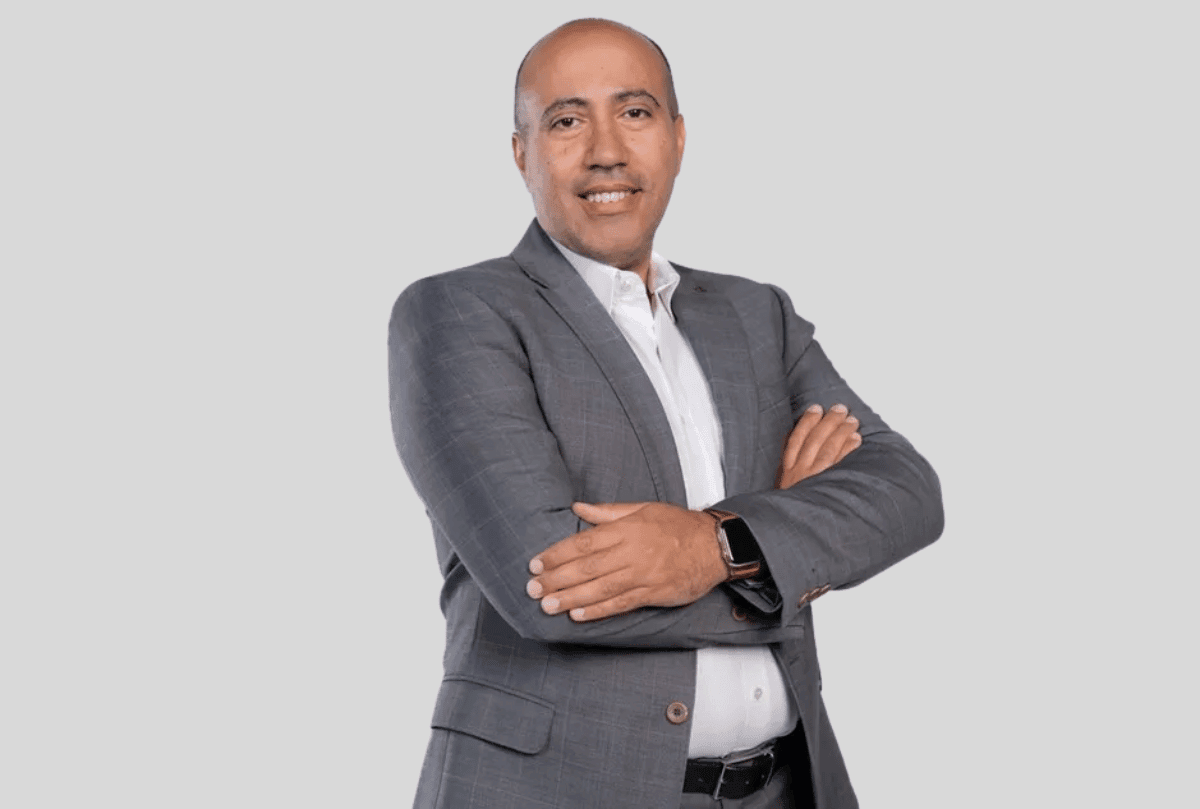
“Technology is more accessible than ever before, but access alone does not create value,” said Ahmed Salem, the hub’s chief operating officer. “Organisations are moving beyond isolated technology experiments. They want to connect investments in AI, engineering and cybersecurity directly to smarter decisions, leaner operations and stronger financial performance.”
Elsewhere the hub works on cloud architecture, DevOps and automated testing, with enterprise workflow platforms including ServiceNow, and has redesigned fragmented workflows for telecommunications providers and government entities across the Middle East. Cybersecurity work covers enterprise security, digital privacy and cyber resilience embedded into software and cloud solutions.
Recognition includes Best New Mobile App at Elevate 2026 for the Virgin Atlantic application, a Female-Friendly Workplace citation at the TechUp Women Awards 2025, and a Highly Commended distinction at the Deloitte Impact Awards 2026.
The third such move in five months
The pattern is becoming difficult to miss.
Spanish outsourcing group Konecta opened its first global generative AI centre of excellence in New Cairo in August, part of a $100 million Egyptian investment, with vice chairperson Ahmed Al-Harrany stressing that Egypt hosts a centre of excellence rather than another operational site. Orange Egypt launched the country’s first AI campus in April with Paragon Adeer and Plug and Play, targeting 100 startups by 2030 across a 500-acre site.
What these have in common is the distinction Egyptian officials have been pursuing for years: multinationals placing product development and localisation work in Egypt rather than service delivery alone. Deloitte’s framing is the same — exporting technology services developed by Egyptian talent, not merely staffed by it.
Egypt ranked 16th globally and second in Africa on the inaugural Ataraxis Global Outsourcing AI Readiness Index, behind South Africa, which took eighth place. It produces more than 750,000 university graduates annually, many in engineering and ICT.
“Egypt has the talent, expertise and ambition to deliver some of the world’s most advanced digital transformation programmes,” Salem said.
The pipeline side
The hub is also investing in talent development, delivering ServiceNow training with the Information Technology Institute and other specialised centres.
Its NextStep x UNICEF Mentorship Programme completed its first cohort and launched a second in July 2026, connecting young professionals with experienced mentors. That addresses the gap between education and industry that Egypt’s National AI Strategy 2025-2030 identifies as a constraint on its target of a 30,000-strong national AI talent pool by 2030.
The hub sits within Deloitte’s EMEA network of 16 member firms across more than 80 countries, with 6,000 partners, 132,000 professionals and declared revenue of €20 billion.
Deloitte has not disclosed a headcount target attached to the $80 million, a timeline for deployment, or revenue figures for the hub itself. Those would indicate whether the next phase matches the growth of the first — 23 to 900 is a difficult trajectory to repeat.