The African Union has called for AI-driven threats and technology-facilitated gender-based violence to be written into countries’ Women, Peace and Security National Action Plans and early warning systems, warning that digital attacks are being used to intimidate, discredit and silence women in peace and political processes.
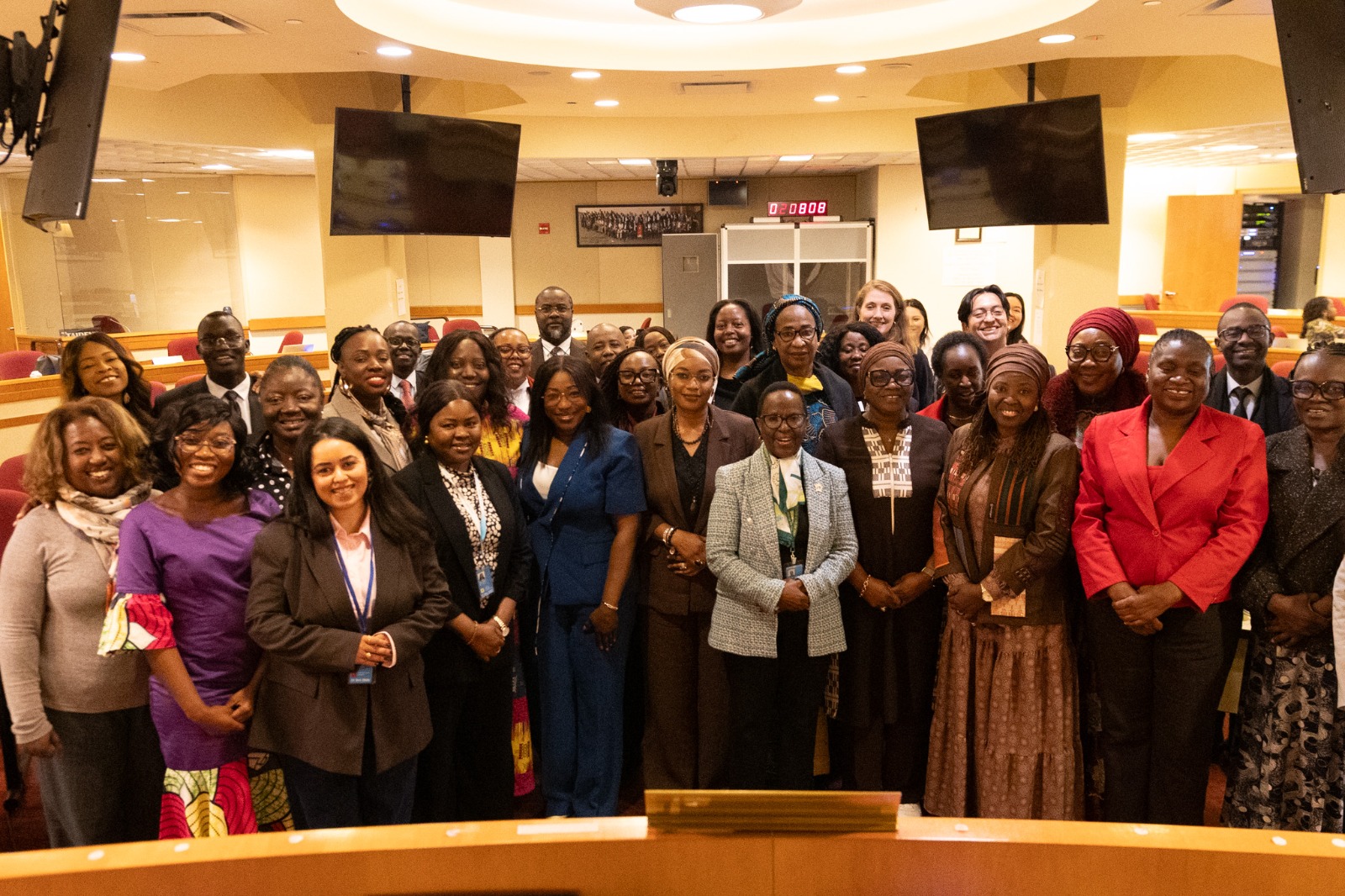
The call came at a dialogue on digital safety at the AU’s Permanent Observer Mission to the UN in New York, held during WPS Week 2026, 26 years after UN Security Council Resolution 1325.
Fabricated images, real consequences
“When technology can fabricate images, manipulate voices and spread disinformation, it can destroy reputations, undermine credibility and silence women whose leadership is essential to peace,” said Ambassador Liberata Mulamula, the AU Commission chairperson’s special envoy on Women, Peace and Security.
She warned that online threats can become physical ones, particularly in conflict settings where protection is already weak.
“For many years, our advocacy has focused on securing women’s place at the peace table. Today, we must also ensure that technology does not discredit, intimidate or silence them once they are there.”
Ambassador Mohamed Fathi Ahmed Edrees, head of the AU’s observer mission to the UN, said technology-facilitated violence is fundamentally a peace and security issue. “When technology is used to silence a woman peacebuilder, intimidate a mediator or exclude a woman from political participation, it directly affects our collective ability to build and sustain peace.”
Four priorities
Mulamula noted that the AU Peace and Security Council recognised the implications of AI and technology-facilitated violence for the WPS agenda at its 1334th meeting in March. Building on the AU Continental AI Strategy, she set out four priorities:
- Integrate technology-facilitated violence and AI-related threats into WPS National Action Plans, with clear protection, prevention and accountability measures;
- Strengthen early warning, timely response and survivor-centred accountability, while protecting identities and personal data;
- Advance women’s leadership in AI governance and innovation, including African-led solutions;
- Establish a follow-up mechanism involving the AU, member states, regional economic communities, the UN, civil society and technology companies, with clear responsibilities and measurable actions.
No structure, timeline or funding for the mechanism was announced.
Children at risk too
Ambassador Jainaba Jagne, the AU’s special envoy for children affected by conflict, said digital platforms are being used by armed actors to reach and exploit children, particularly girls, and called for investment in safe digital tools that strengthen conflict analysis and protection.
“We must ensure that the digital space does not become another theatre of violence, intimidation and recruitment,” she said.
Participants stressed that coordinated attacks on women peacebuilders, mediators, journalists and political leaders damage their credibility and networks and discourage participation — and that responses must go beyond removing harmful content, with women treated as decision-makers in technology governance, not only as people to be protected.
Source: African Union Commission.