The 8th Korea-Africa Economic Cooperation Ministerial Conference opens in Seoul on 8 September under the theme “Harnessing AI and Digital Infrastructure for Africa’s Transformation” — the first time the twenty-year-old platform has organised itself around artificial intelligence.
The four-day conference will bring together African ministers, senior Korean officials, development partners, investors, private sector leaders and startup founders, with discussions spanning AI, digital infrastructure, ICT, energy, manufacturing and innovation.
Context from two weeks ago
The timing explains a deal iAfrica reported in August. South Korea approved a $170 million concessional loan to build an AI and digital technology institute in Tanzania — its first artificial intelligence project under the Economic Development Cooperation Fund, covering training in AI, robotics, data analytics and IoT, alongside laboratories, campus construction and equipment.
That loan arrived three weeks before a ministerial conference themed on exactly that. Read together, the Tanzania facility looks less like a standalone bilateral arrangement and more like the first deployment under a policy direction Seoul is about to formalise with the continent.
The Trust Fund numbers
KOAFEC was established in 2006, with the African Development Bank Group, Korea’s Ministry of Finance and Economy and the Korea Export-Import Bank as founding partners.
Its Trust Fund, running since 2007, has provided about $50 million for project preparation. That has generated an investment pipeline exceeding $6 billion and helped mobilise roughly $4 billion in financing — a leverage ratio of around eighty to one.
Project preparation is where African infrastructure most often fails. Deals collapse before they reach financial close because feasibility studies, structuring and technical documentation are unfunded, and commercial lenders will not price a project they cannot assess. A facility that specialises in that stage addresses a specific and under-served constraint.
The partnership has also supported more than 1,300 startups and entrepreneurs, over 1,200 businesses, and contributed to the creation of more than 5,000 jobs across energy, agriculture, digital transformation, infrastructure, natural resources and private sector development.
Ould Tah’s first Korean visit
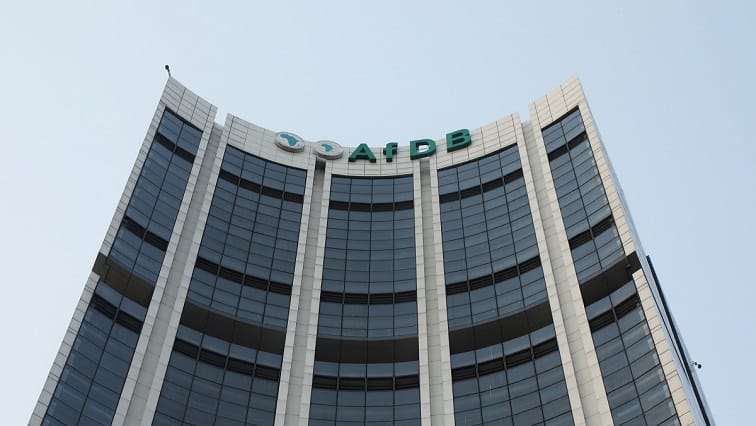
AfDB President Dr Sidi Ould Tah will lead the Bank’s delegation in his first official visit to Korea since taking office in September 2025.
The programme aligns with his Four Cardinal Points: mobilising African capital, rebuilding financial sovereignty, converting demographic growth into an economic dividend, and building resilient infrastructure and competitive value chains. Within that sits the New African Financial Architecture for Development, aimed at closing a continental financing gap exceeding $400 billion a year.
The AfDB brings its own AI position to the table. Its Africa’s AI Productivity Gain report projected up to $1 trillion in additional GDP by 2035 and 40 million digital jobs, and it launched a $10 billion AI initiative with the UNDP at the Nairobi AI Forum in April.
What comes out of it
The conference is expected to close with a Joint Declaration and a 2027-2028 Action Plan covering AI, digital transformation, energy, infrastructure, trade, human capital and private sector development.
The AfDB’s framing is that KOAFEC should pair Korean investment and technology with African capital, talent and markets to support industrialisation and employment.
That is the standard formulation, and the test will be whether the action plan produces specific instruments. Korea’s distinctive offer is neither hyperscaler cloud nor sovereign capital nor infrastructure financing at Chinese scale — it is concessional lending tied to technical institution-building, of the kind the Tanzania loan represents. Whether more of those follow, and on what terms, is what the Seoul declaration will indicate.