South Africa’s statutory social dialogue institution has taken up artificial intelligence as a summit theme, giving organised labour a formal seat in a national conversation it has largely been absent from.
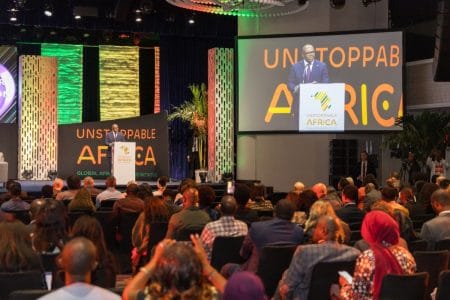
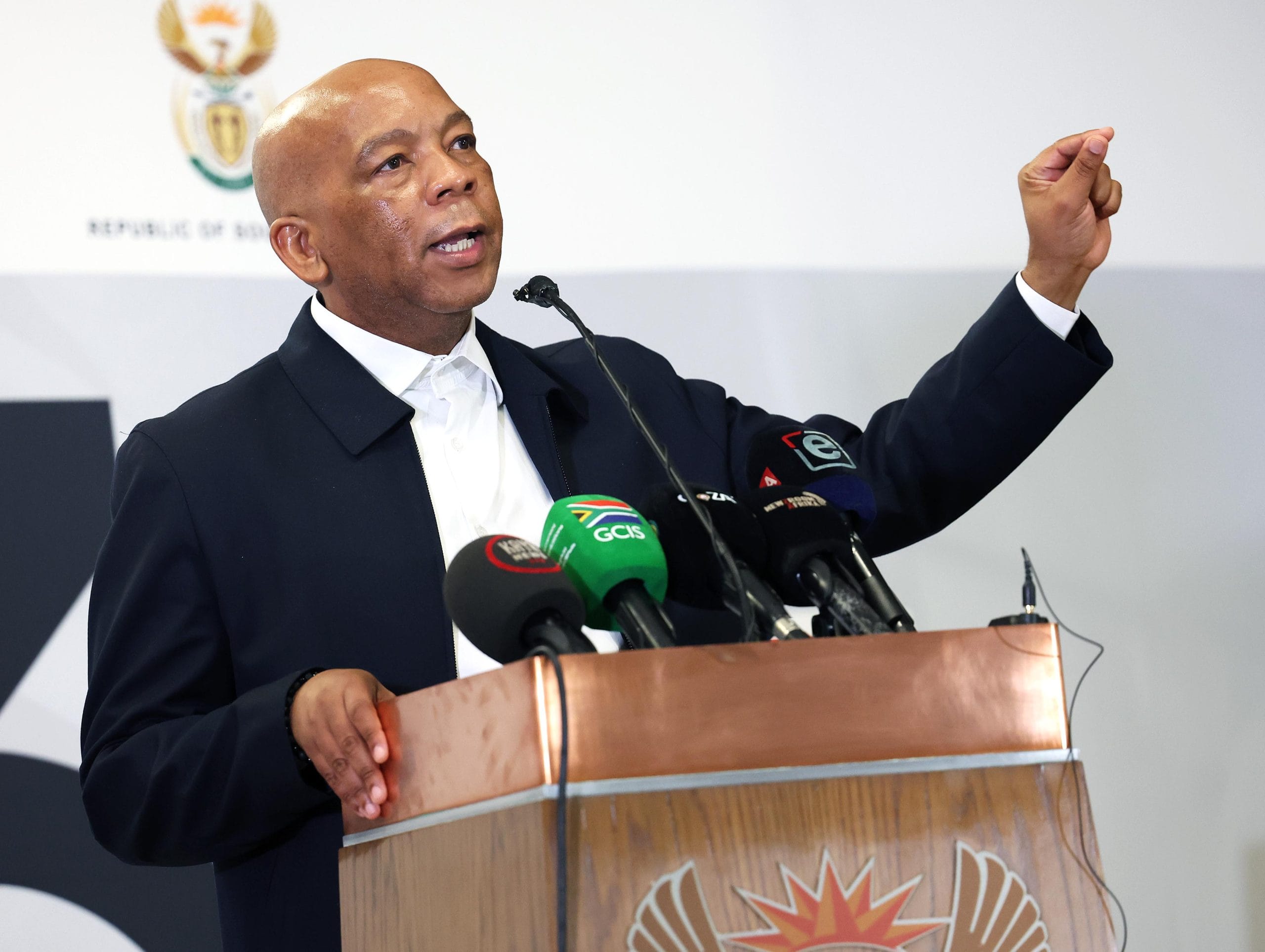
Electricity and Energy Minister Dr Kgosientsho Ramokgopa delivered the keynote on behalf of Deputy President Paul Mashatile at the National Economic Development and Labour Council’s 31st Annual Summit in Pretoria, arguing that technological progress is not automatically inclusive.
“AI can improve productivity, support innovation, strengthen service delivery, create new industries and open new opportunities for entrepreneurship and employment,” he said. “However, we must also recognise that technological progress is not automatically inclusive. If not properly managed, technological change can deepen existing inequalities, displace workers, widen the digital divide, and exclude those who do not have access to the skills and infrastructure required to participate in the new economy.”
Why the venue matters more than the speech
NEDLAC brings government, business, organised labour and community constituencies together by statute. South Africa has roughly 3.8 million union members, about 30% of the formal workforce, with COSATU alone representing around 2.2 million.
That constituency has been almost entirely missing from South Africa’s AI debate as iAfrica has covered it. The conversation has run through university conferences, corporate research, vendor summits and government policy processes — the UJ AI and the Law conference, PwC and Top Employers surveys, Google Cloud summits, the Rosman panel. Workers have appeared as subjects of that discussion rather than participants in it.
Top Employers Institute research covered by iAfrica found only 38% of employers involve employees in AI discussions, and just 40% monitor AI’s impact on wellbeing and job satisfaction after deployment — figures drawn from organisations already certified for excellence in people practices, meaning the wider market is likely worse.
Ramokgopa named that gap directly. “We must also ensure that workers are protected as workplaces undergo technological transformation. This is an area in which social dialogue will be particularly important. Business will need to consider how technology can improve productivity while supporting workers through periods of transition.”
What is actually at stake
The displacement picture in South Africa is more specific than the speech allows.
Research covered by iAfrica projected that AI-powered automation could eliminate more than 40% of Africa’s business process outsourcing jobs — a sector South Africa has built deliberately, and where women face roughly 10% higher exposure because of their concentration in junior roles.
The International Labour Organization reported last month that the sharper near-term risk in developing economies is not automation but the disappearance of middle-skilled clerical, administrative and sales work — the roles that have traditionally provided a first step into the formal labour market. In a country with South Africa’s youth unemployment levels, losing the entry rung matters more than losing the ladder.
Ramokgopa’s prescription is skills. “Some occupations will change, some tasks will become automated, new occupations will emerge, whilst existing occupations will require new skills,” he said, calling for investment in education, reskilling and lifelong learning, with particular emphasis on young people.
Managed with what?
The difficulty with a call for AI transition to be “properly managed” is that South Africa currently has no instrument to manage it with.
The draft National AI Policy was withdrawn on 26 April after its reference list was found to contain fabricated academic citations. An expert panel chaired by Wits researcher Professor Benjamin Rosman is rebuilding it, with a revised draft due at Cabinet in November and public consultation targeted for January 2027. The World Bank subsequently excluded South Africa from its map of countries with a national AI strategy.
NEDLAC is a consensus-building forum, not a policymaking one. But social dialogue conducted before a policy is written is more useful than dialogue conducted after — and the Rosman panel’s redraft is being prepared now.
Ramokgopa linked the technological transition to the environmental one, arguing both must be managed justly. “Workers and communities whose livelihoods may be affected by economic restructuring must not be left behind,” he said. South Africa has spent years building institutional machinery around a just energy transition. Whether comparable structures emerge for the technological one is the question the summit theme puts on the table.
“Our response requires more than the efforts of government alone,” Ramokgopa said. “It requires meaningful partnership between government, business, labour and communities.”