African farmers are increasingly turning to artificial intelligence — from cow facial recognition to AI-generated soil analysis — to head off a looming food crisis as the continent’s annual spending on imported food edges closer to $100 billion.
The continent is increasingly reliant on foreign markets for everyday staples such as sugar, rice and wheat, with shortages driven by a population explosion and shifting diets that have outpaced agricultural production. More than half of Africa’s total food imports are consumed by just five nations: Egypt, Algeria, Morocco, South Africa and Nigeria. Africa’s population is projected to reach nearly 2.5 billion by 2050 and could double to about 3.8 billion by 2100.
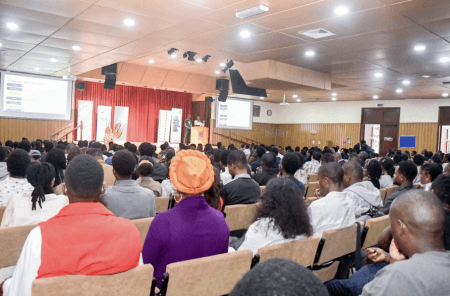
Speaking at the first GITEX Kenya tech conference in Nairobi, experts said AI and other advanced technologies can help farmers improve productivity and capture the economic rewards. Vimal Shah, chief executive of Bidco Africa — one of the continent’s largest food and beverage suppliers — said technology can help mitigate climate shocks that devastate crops.
“None of us can change the climate, we can only change the way we talk to it and how we respond to it,” Shah said. “But it does have a big impact because when agriculture shakes, everything shakes. If food prices change, everything else happens. Now with AI, there’s so much more that’s possible — climate smart means predictive farming. We are sitting on huge volumes of data and weather reports. AI can harness that to improve the quality of farming.”
The warmest stretch of weather since 1981 for most of East Africa occurred between 2020 and 2025, with the Horn of Africa experiencing the most extreme temperature anomalies. Drought gripped Somalia, south-eastern Ethiopia and eastern Kenya, peaking in 2021-2022 and returning in 2024.
One Kenyan company searching for solutions is Rhea Healthy Soil, which supports more than 100,000 farmers across Africa with soil data reports that the company says are 95% accurate, generated using AI. Smallholdings use the technology to optimize soil nutrients, prevent degradation and improve sustainability by reducing fertilizer overuse. The technology has become more pressing amid a pending global fertilizer shortage, with a third of the world’s seaborne fertilizer transported through the Strait of Hormuz — a channel that has faced severe disruption since the outbreak of the Iran war.
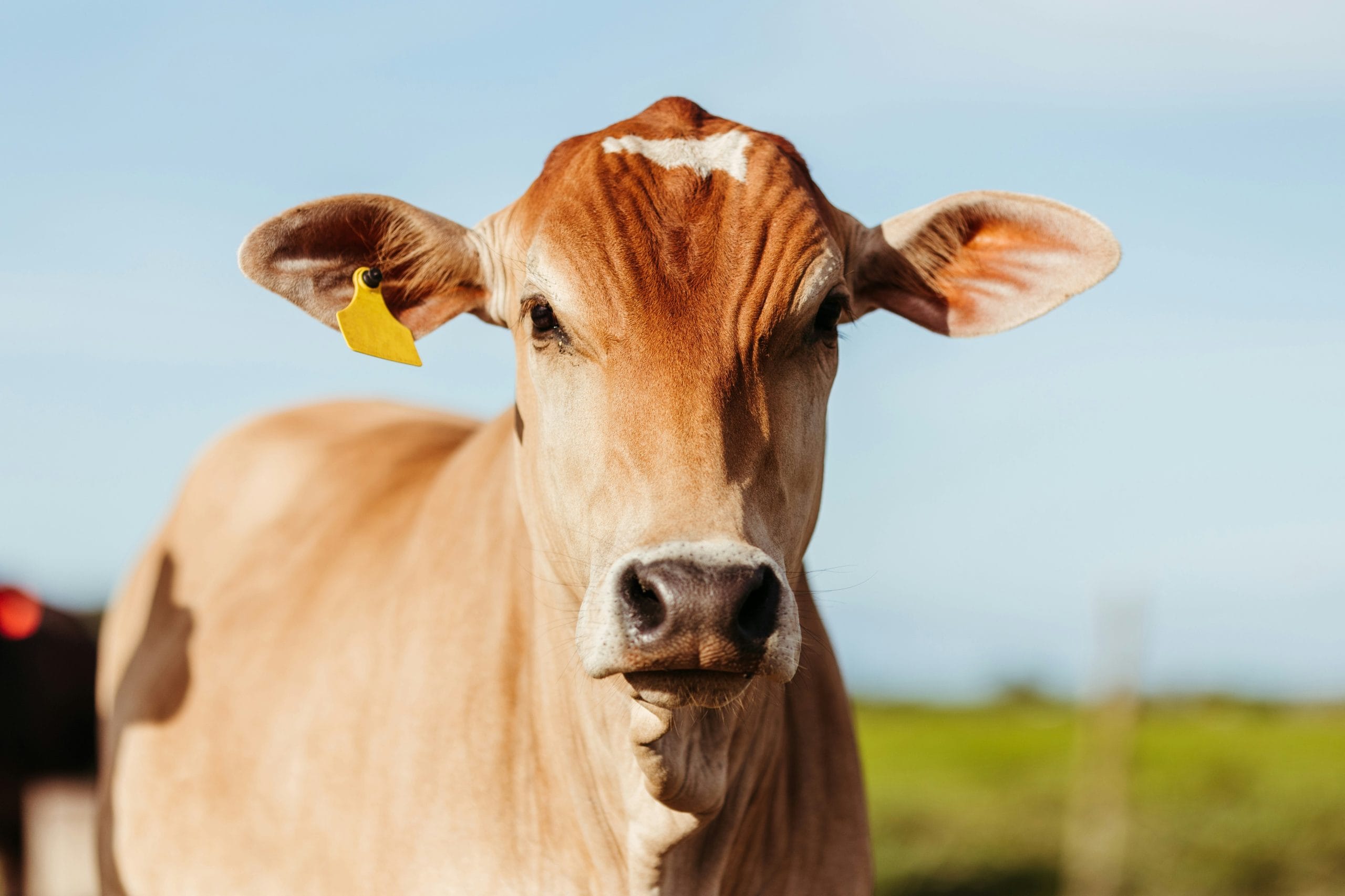
Another solution being explored is Halisi Livestock, an AI-driven biometric facial recognition platform designed to identify and track individual cattle. Farmers upload smartphone photos of their animals to verify ownership without the need for expensive physical tags. The software uses computer vision algorithms to analyze the unique biometric patterns of a cow’s face or muzzle — similar to facial ID on mobile phones. Once matched, a farmer can instantly access the animal’s vaccination records, age, lineage and ownership history.
Ramesh Moochikal, chief executive of Africa Improved Foods in Rwanda, said the farms his company supports have turned to drones to assess which crops need special attention and to spot signs of disease. “We have lots of progressive solutions and the government in Rwanda is very open-minded about whatever can be done to help responsible farming,” he said. “In doing so, in the last seven years we have tripled the maize yield. By using drones, we are able to give farmers multiple pictures as to what is the state of the crop, which part of the crop needs a fertiliser, extra support or irrigation.”
The approach is not one-size-fits-all. In a market flooded with mobile apps aimed at farmers, many are ineffective in Africa because their algorithms are trained on data from the United States or China. “We’ve seen the evolution of the extension of services for support to farmers through AI, by using the power of local languages,” said Thule Lenneiye, chief of staff at the Alliance for a Green Revolution in Africa, an African-led institution supporting smallholder farmers through regenerative agriculture, climate-smart seeds and market access.
“We did a trial run in Ethiopia using AI but the advice given was for a farmer in Iowa cultivating hectares of potatoes,” Lenneiye said. “I think it’s important we make sure when we develop these AI platforms and systems that they are more inclusive and appropriate for the countries we’re working in. There are big opportunities in Africa but we are a fragmented continent with 54 countries.”
Scientists are also drawing on open-source data and satellite imagery to help farmers improve productivity. Zindi, a South African business that hosts the largest community of African data scientists, is working to solve pressing challenges using machine learning and AI. Chief executive Celina Lee said the potential is significant — provided farmers are given the information most valuable to them. “There is tonnes of open-source data but now it’s about connecting it to the problems farmers are facing, and that’s much harder than we think,” she said. “There’s a place where AI can add efficiency, value and reach in multiple ways, but the only pathway to scale is to make sure that we’re addressing the right problems farmers face.”
Confirmed. The article is by Nick Webster (reporting from Nairobi) for The National, dated 21 May 2026.
Here’s your attribution in the same format:
This piece is based on an article originally featured on The National: "How AI can help head off Africa's impending food crisis as population surges" by Nick Webster.