Researchers in Morocco are developing an AI-driven system that combines aquatic drones, ecological sensors, spectrometry and satellite imagery to detect toxic algal blooms in reservoirs before they become visible — a response to a water-quality threat that carries unusual weight in a country facing structural water scarcity.
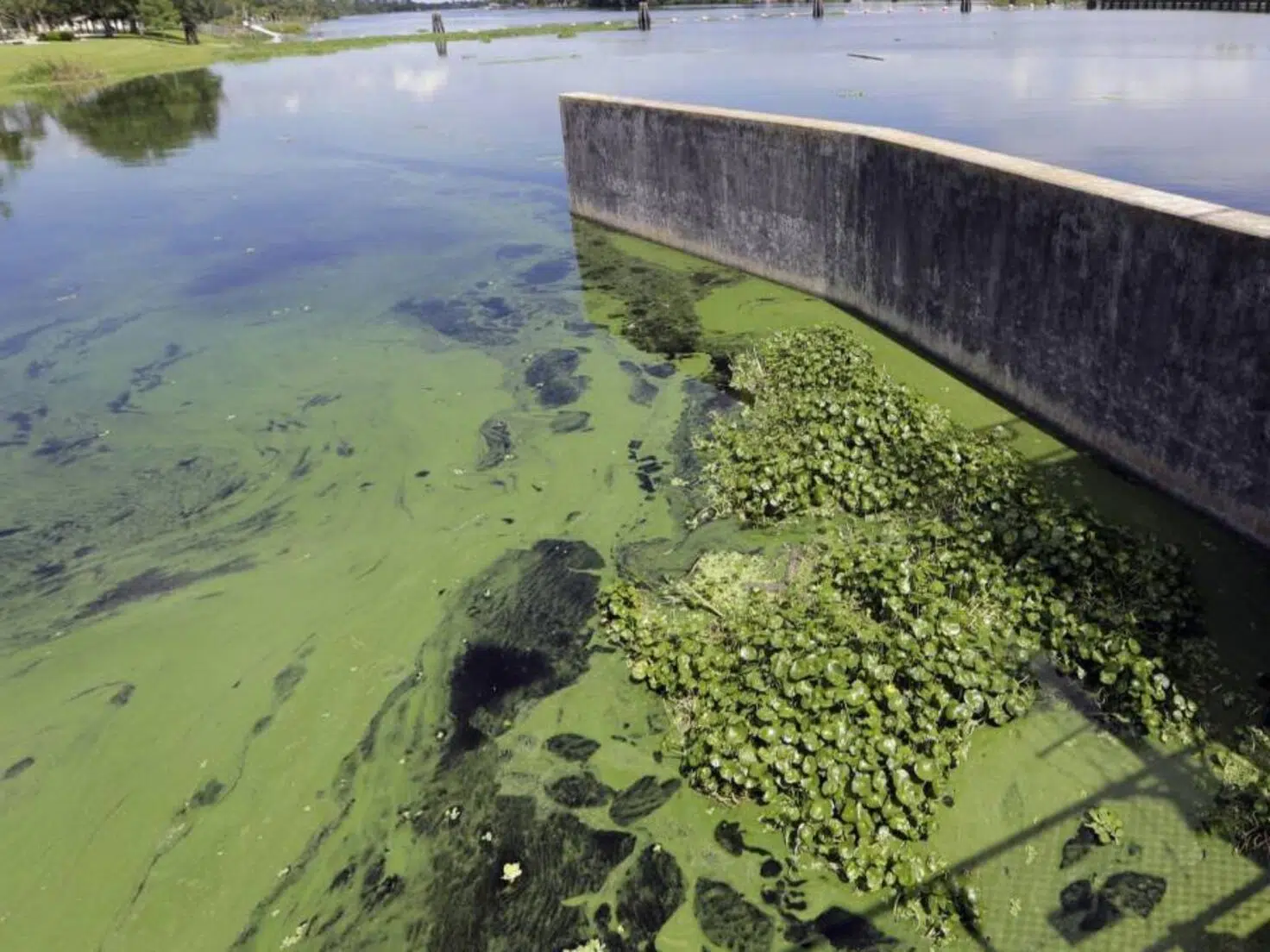
Toxic algae proliferating in reservoirs and dams can generate toxins, strip oxygen from the water and harm other aquatic organisms, compromising freshwater supplies for both human consumption and irrigation. In Morocco, where dams are central to storing and distributing freshwater, a bloom detected late can compromise a resource the country cannot easily replace.
The system integrates several data streams. Aquatic drones move across reservoir surfaces collecting samples and readings, with onboard AI interpreting the data rapidly enough to generate early alerts rather than routing everything back for later analysis. Ecological sensors gather real-time water data. Spectrometry — which measures how light interacts with matter — is used to identify optical signatures associated with the presence and evolution of microalgae. Satellite imagery feeds predictive models that flag which areas are most likely to develop blooms, and remote alerting allows authorities to act before a problem is visible at the surface.
That layering is the point. Combining in-water sensors, optical analysis, laboratory data and satellite imagery produces a more complete picture than visual inspection alone, and gives water authorities enough lead time to reduce contamination risk and avoid supply interruptions.
The project remains at prototype stage. Developers plan to test the system against real water samples across all four seasons, since algae behave differently under changing environmental conditions — a validation cycle that will take at least a full year to complete.
The African Scientific Journal has emphasised the need to improve monitoring of Moroccan reservoirs with technological tools capable of acting before water quality deteriorates. The developing institution behind this particular system, the reservoirs involved and the project’s funding have not been publicly identified.
The work fits a wider pattern of AI-plus-drone-plus-satellite environmental monitoring taking hold across North Africa. The FAO trained officials from Algeria, Libya, Mauritania, Morocco and Tunisia in May on AI and geospatial tools for managing water, land and oasis ecosystems, including an AI Oasis Assistant built for the region. Tunisian agritech RoboCare, which raised a six-figure round this month, uses a near-identical architecture — satellite imagery, drone data, IoT sensors and predictive modelling — applied to crop disease rather than water quality.
For Morocco, the environmental application also sits alongside a national AI agenda that has moved quickly over the past year, from the AI Made in Morocco strategy targeting 100 billion dirhams in GDP contribution by 2030 to the $1.2 billion Nexus AI Factory being built outside Casablanca. Water security is among the more direct tests of whether that capacity translates into problems that matter locally.