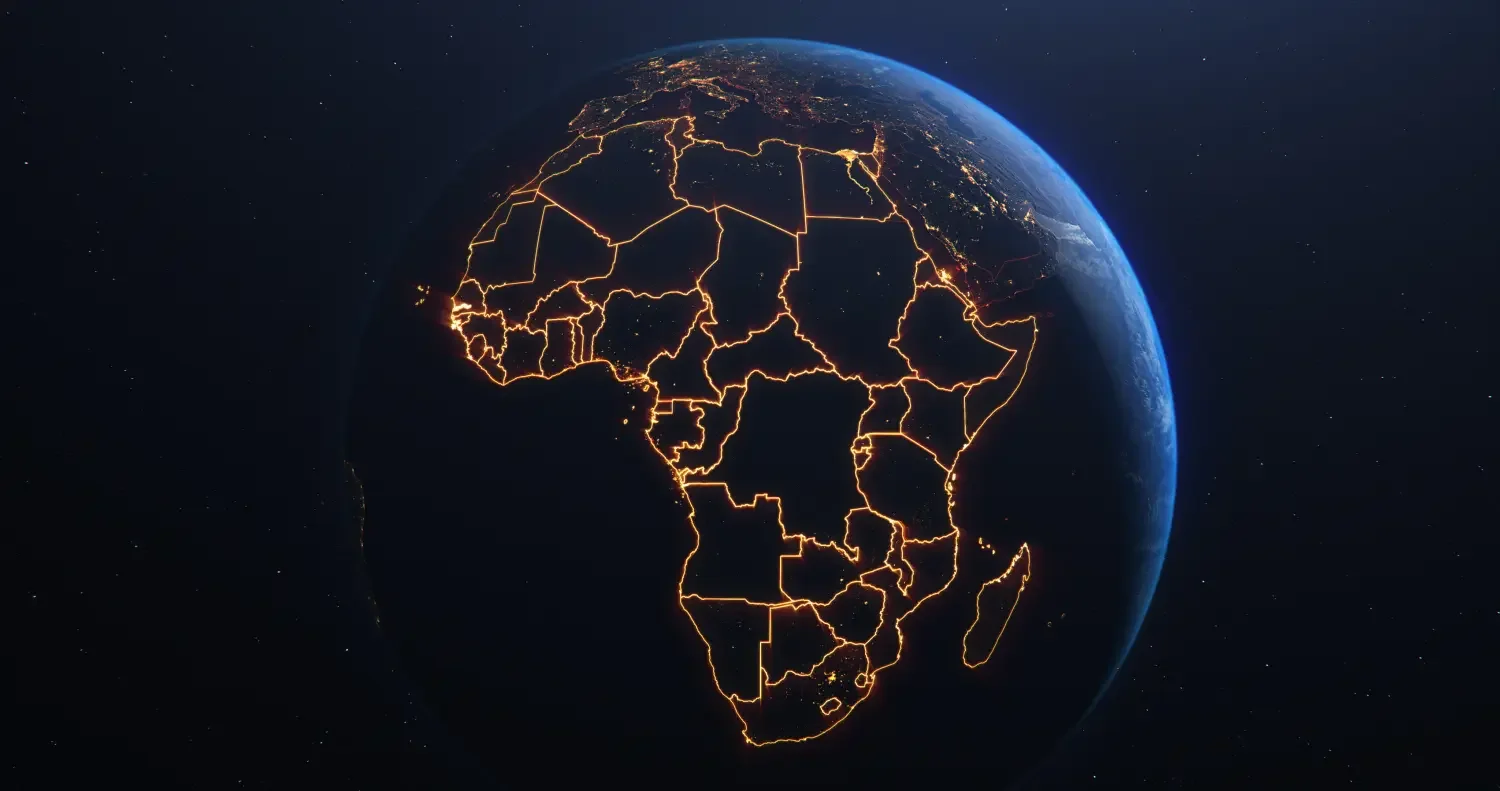
The five Maghreb countries in western and central North Africa — Tunisia, Algeria, Morocco, Libya and Mauritania — are making steady progress in developing artificial intelligence education and research within universities and beyond, with Algeria emerging as the regional pacesetter.
Algeria launched its first AI and cybersecurity start-up cluster earlier this year, aimed at bridging the gap between academic research and the economic sector and enabling faster commercialization of innovative projects. According to a Facebook post by officials, the project marks a strategic shift in Algeria’s innovation policy — moving from isolated start-up initiatives toward structured clusters that bring together universities, research centres and emerging companies, embedding AI development within a university-centred innovation ecosystem. The aim is to strengthen competitiveness, improve collaboration and accelerate the transformation of ideas into viable businesses.
A 2026 report titled “Why Algeria Is Positioned To Become North Africa’s AI Leader” said the country is leveraging substantial human capital, a national AI strategy focused on digital sovereignty and major infrastructure investments. With more than 10,000 STEM graduates annually, 57,702 students enrolled across 74 AI master’s programmes in 52 universities, and dedicated institutions such as the National School of Artificial Intelligence, Algeria aims to train 500,000 ICT specialists by 2030 to drive economic diversification beyond hydrocarbons.
In April, Morocco launched the Nexus AI Factory, an AI initiative designed to position the country as a strategic hub bridging Africa, Europe and global markets. The Nexus AI Factory integrates a high-performance computing data centre, a centre of excellence focused on advanced services and skills development, and an innovation hub aimed at accelerating emerging technologies and ecosystem growth.
Also in April, Libya’s Ministry of Higher Education and Scientific Research launched an initiative for “enhancing job skills using modern artificial intelligence technologies,” aimed at keeping pace with rapid transformations in digitization and leveraging AI applications in administrative and academic fields. At the beginning of the year, Mauritania launched a national framework titled “Artificial Intelligence in the Service of the Republican School,” aimed at expanding AI use in education, establishing an integrated cooperation system among public stakeholders, private partners and academic institutions, and promoting ethical, responsible and sovereign integration of AI into the national education system.
Regional cooperation is also accelerating. An Algeria-Tunisia e-platform was launched at the second International Conference on Innovative and Intelligent Information Technologies, held in Hammamet, Tunisia, from March 26 to 28. The joint digital platform connects universities, research laboratories and institutions in the two countries through shared digital tools to facilitate data exchange, dissemination of scientific work and networking of expertise — with the aim of generating solutions tailored to local challenges in education, healthcare and industry.
Morocco, Tunisia and Algeria ranked 86th, 88th and 89th globally out of 195 countries in the 2025 Government AI Readiness Index, with the three described as leading Maghreb countries in AI capabilities. Libya followed at 134th and Mauritania at 138th. The index, issued by global consulting firm Oxford Insights and the International Development Research Centre, measures governments’ willingness to use AI by assessing governance, infrastructure and data, skills and education, and government and public services.
A 2025 study said the Maghreb countries have seen strong, consistent growth in AI research output that accelerated after 2015. Visibility as measured by citations per publication remains relatively low at 10.9 compared with a global average of 18.4, suggesting a need to enhance research impact and quality. A December 2025 study described Algeria as a regional AI leader, Tunisia and Morocco as emerging performers, and Mauritania and Libya as requiring foundational progress — while highlighting a fragmented adoption landscape and the risk of widening divides without targeted policies.
Bouraoui Seyfallah, a professor of AI at the University of Science and Technology Houari Boumediene in Algeria, told University World News that “the Algeria-Tunisia digital platform represents a strategic step toward structuring regional AI ecosystems, enabling better knowledge sharing, resource pooling, and the co-development of solutions tailored to Maghreb countries’ socio-economic challenges. The e-platform has the potential to significantly enhance scientific visibility and foster impactful, application-oriented research.” He said the platform should prioritize joint research programmes, shared datasets, researcher mobility, AI training initiatives and industry-academia partnerships in healthcare, environmental monitoring and smart infrastructure — and that it could also support efforts to implement the UN Sustainable Development Goals at higher education institutions.
“To expand this initiative across all the Maghreb countries, it is essential to establish a harmonised governance framework, promote open science policies, and secure sustainable regional funding mechanisms, while engaging institutions from Mauritania, Morocco, and Libya,” Seyfallah said. He said the Algeria-Tunisia platform could position the Maghreb as a collaborative AI hub by bridging research gaps, fostering cross-border university cooperation and accelerating applied AI in sectors such as healthcare and industry. Key challenges could include data governance issues, infrastructure disparities and administrative barriers, which could be mitigated through clear regulatory frameworks, capacity-building and interoperable digital standards.
Seyfallah added that “the ongoing geopolitical tensions in the Arab Gulf states resulting from US-Israel-Iran military conflict could encourage countries — particularly in Europe — to diversify their digital infrastructure toward more stable and proximate regions such as the Maghreb.” He noted that recent Iranian attacks on tech infrastructure in the Gulf, which caused disruptions for providers such as Amazon Web Services in the United Arab Emirates and Bahrain, highlight the importance of resilience and could prompt a reassessment.
“Future strategies will likely prioritise distributed and redundant infrastructures across multiple regions, making the Maghreb a credible complementary hub rather than a replacement for the Gulf,” he said. “For universities in the Maghreb countries, this shift could be highly beneficial, fostering stronger industry partnerships, improved access to advanced computing infrastructure, and new opportunities in research, training, and innovation — especially in fields like AI, data science, and cybersecurity.”