In recent months, much of the conversation around creativity has centered on artificial intelligence.
Will AI transform storytelling? Who owns the future of content creation? How do creators adapt to a rapidly changing media landscape?
These are important questions. But after reviewing 112 films submitted to SmartPhilm Fest 2026 from filmmakers across five continents, another question emerged:
What stories are people choosing to tell when they have the tools to tell any story they want?
The answer was both surprising and deeply encouraging.
This year’s SmartPhilm Festival, presented as part of CRAFT in Addis Ababa, received submissions from an extraordinarily diverse group of filmmakers representing countries including Ethiopia, Kenya, Nigeria, Egypt, India, China, South Korea, Taiwan, Uzbekistan, Tajikistan, Iran, Azerbaijan, Ukraine, Greece, Hungary, Italy, Spain, the Netherlands, the United Kingdom, Sweden, Australia, Argentina, Brazil, Colombia, Peru, Venezuela, and many others.
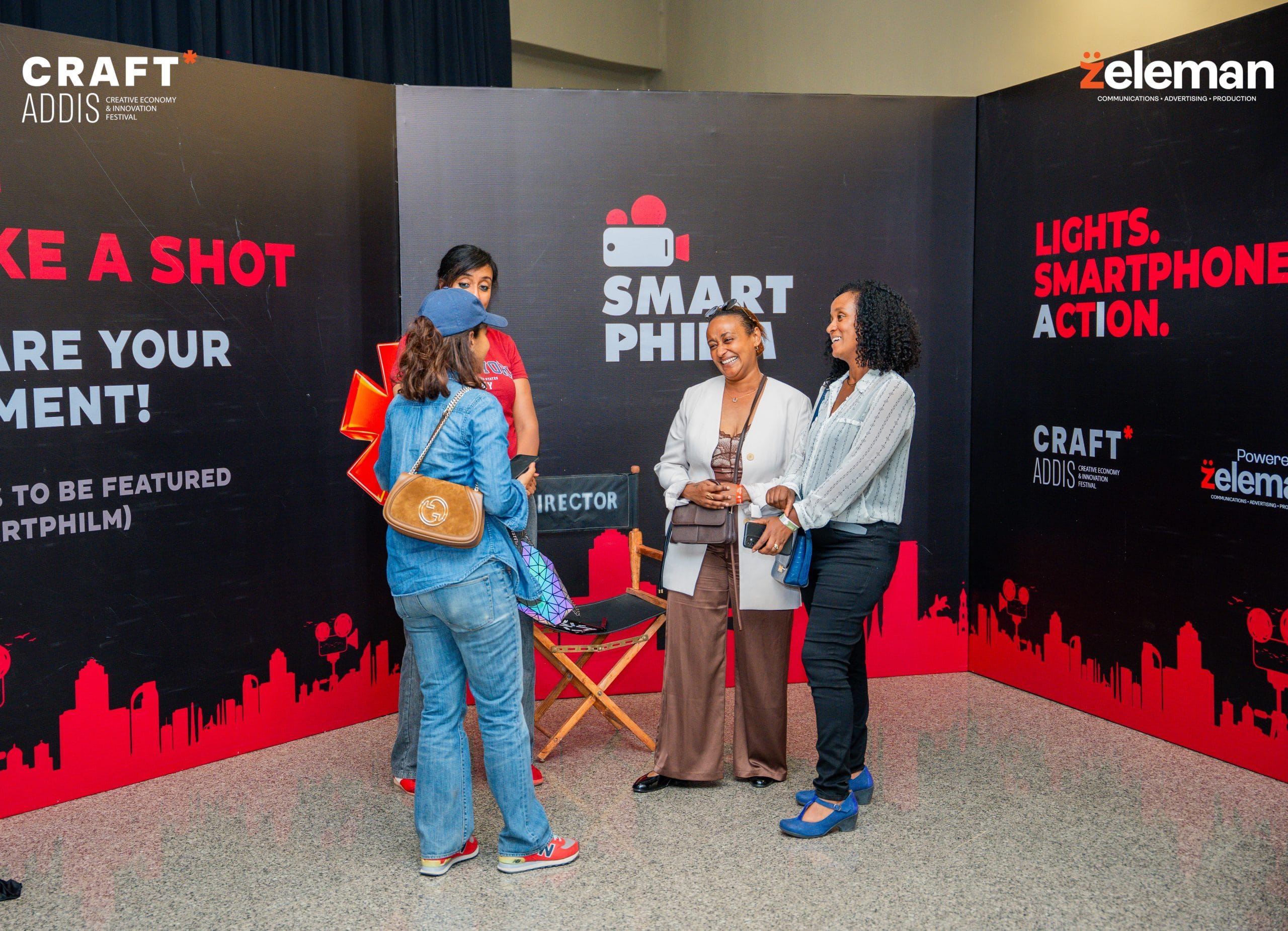
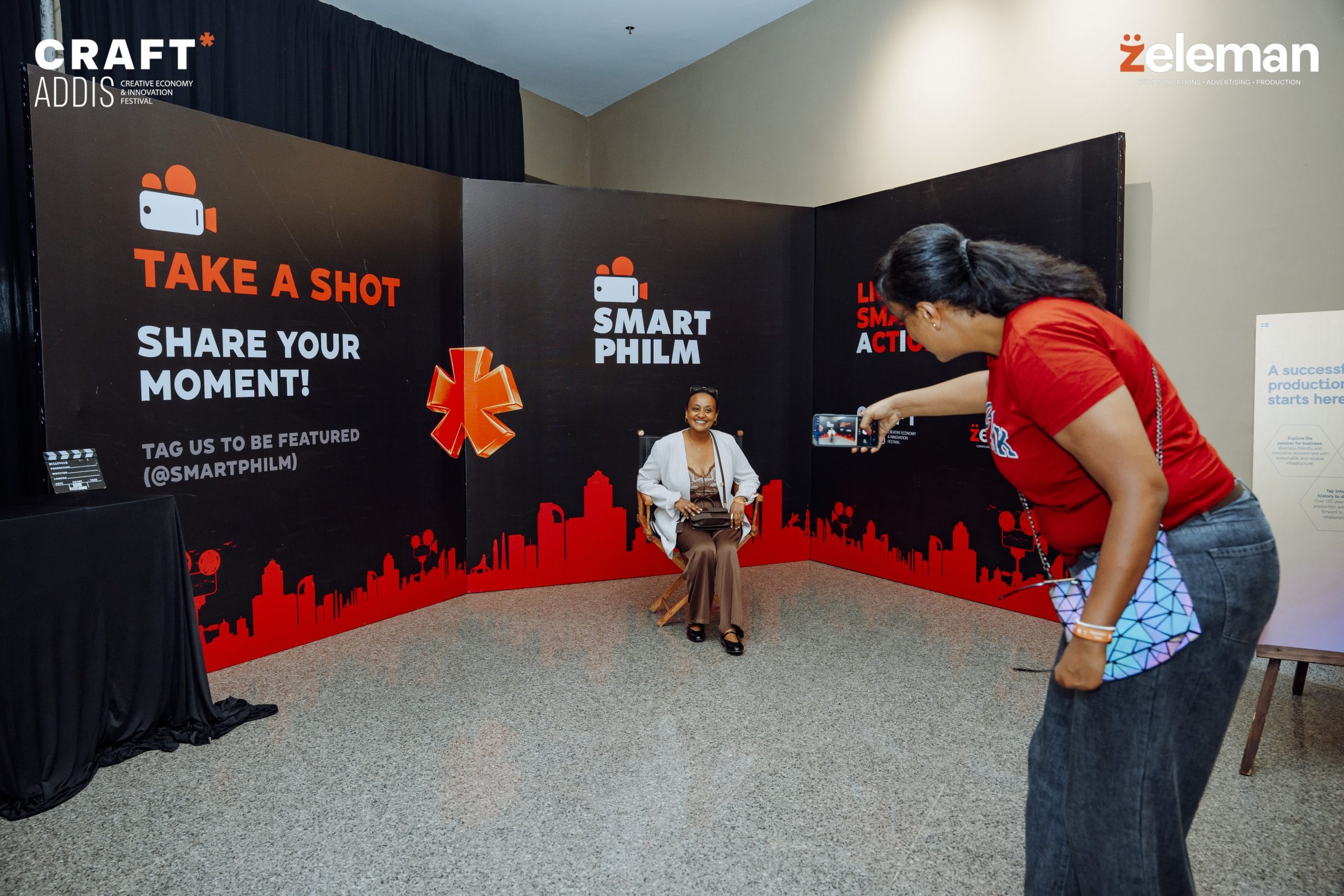
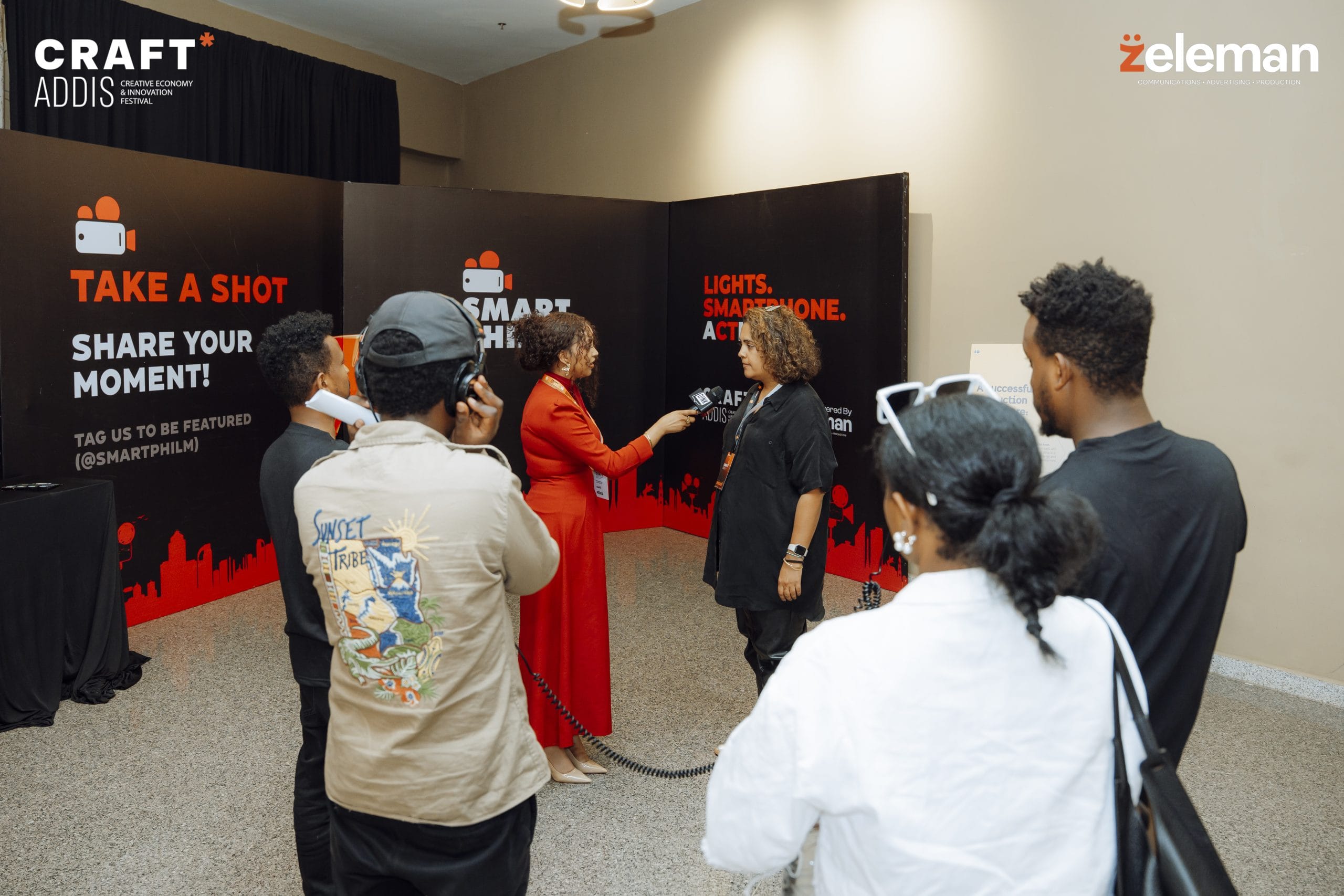
While separated by geography, language, culture, and circumstance, many of these filmmakers were asking remarkably similar questions.
How do we remain human in an increasingly automated world?
How do communities adapt to environmental change?
How do we preserve identity while embracing innovation?
And how do ordinary people navigate extraordinary challenges?
These questions appeared across the festival’s six thematic categories: The Changing Earth, Human Stories, Real World Documentary, Speculative Futures, Emerging Voices and AI & Humanity.
Together, they revealed something powerful: technology may change how stories are created, but it does not diminish humanity’s need to tell them.
In many ways, the smartphone has become one of the most important storytelling tools of our time. A generation ago, creating a film often required expensive equipment, specialized training, and access to established institutions. Today, a filmmaker can capture, edit, and distribute a story using a device already in their pocket.
That shift matters. Not simply because it lowers barriers to entry, but because it expands who gets to participate in shaping culture.
This year’s submissions reflected perspectives that are often missing from mainstream media. Stories emerged from rural communities, urban neighborhoods, refugee experiences, environmental frontlines, and rapidly changing societies. Some were intimate personal reflections. Others tackled global challenges through local lenses.
What united them was authenticity.
Even in categories exploring artificial intelligence and speculative futures, the strongest films remained grounded in human experience. That observation feels increasingly important.
As AI tools become more sophisticated, generating visuals, voices, scripts, and entire worlds, there is growing concern that creativity itself could become automated. Yet the films submitted to SmartPhilm suggest a different future.
AI may accelerate production, reduce costs, and expand creative possibilities. But meaning still comes from people.
The stories that resonated most with judges and audiences were not necessarily the most technically advanced. They were the ones that sparked emotion, challenged assumptions, inspired curiosity, or created connection.
Technology can help tell a story but it cannot determine why a story matters.
This year’s festival finalists demonstrated exactly that balance. Some embraced emerging technologies. Others relied on simple, powerful storytelling techniques. Both approaches succeeded when they remained rooted in authentic human experiences. That lesson extends beyond filmmaking.
Across Africa and around the world, creative industries are increasingly recognized not only as cultural assets but as economic ones. The creative economy already generates billions of dollars globally and continues to create new pathways for employment, entrepreneurship, and innovation.
For emerging creators, storytelling is no longer simply an artistic pursuit. It is becoming a viable economic opportunity. Mobile filmmaking, digital content creation, AI-assisted production, and online distribution have opened doors that did not exist a decade ago. Young creators can build audiences, develop businesses, secure partnerships, and participate in global conversations regardless of where they are located.
The challenge now is ensuring that access translates into sustainable opportunity.
That requires investment not only in technology but also in creative ecosystems, training, mentorship, distribution channels, and platforms that help creators connect with audiences.
This is one of the reasons initiatives like SmartPhilm and CRAFT matter. They create spaces where creativity, technology, and community intersect. Spaces where emerging storytellers can experiment with new tools while remaining connected to the cultural contexts that make their stories unique.
At SmartPhilm Fest 2026, 23 films were selected as finalists from a pool of 112 submissions spanning more than 25 countries. Top honors went to Overthinking by Gianmaria Fiorillo (SmartPhilm Grand Jury Award), Sundown Syndrome by Claudia Carmen and Livia Hendricks (People’s Choice Award), and Plastic Ocean by Alena Llopis and Vicent Llopis (SmartCRAFT AI Award), while Retazos (Pieces) by Maria Rueda, Signal by Sagi Sree Hari Varma and Good Friday by Keziah Jean received Honorable Mentions.
But perhaps the most important outcome wasn’t who won. It was the reminder that storytelling remains one of humanity’s most powerful technologies.
Long before algorithms, cameras, or artificial intelligence, stories helped communities share knowledge, preserve culture, and imagine different futures.
That remains true today. The tools may evolve, the platforms may change but the need to connect through stories remains universal.
And based on what we witnessed this year, the future of storytelling is not confined to one country, one language, or one technology.
It is global, collaborative and it is already being written.
To follow future festivals, screenings, and opportunities, connect with SmartPhilm on YouTube and Instagram, and follow our festival journey on FilmFreeway. Whether you’re a filmmaker, creator, technologist, or simply someone who believes in the power of stories, we invite you to join us as we continue building a more connected and creative future.