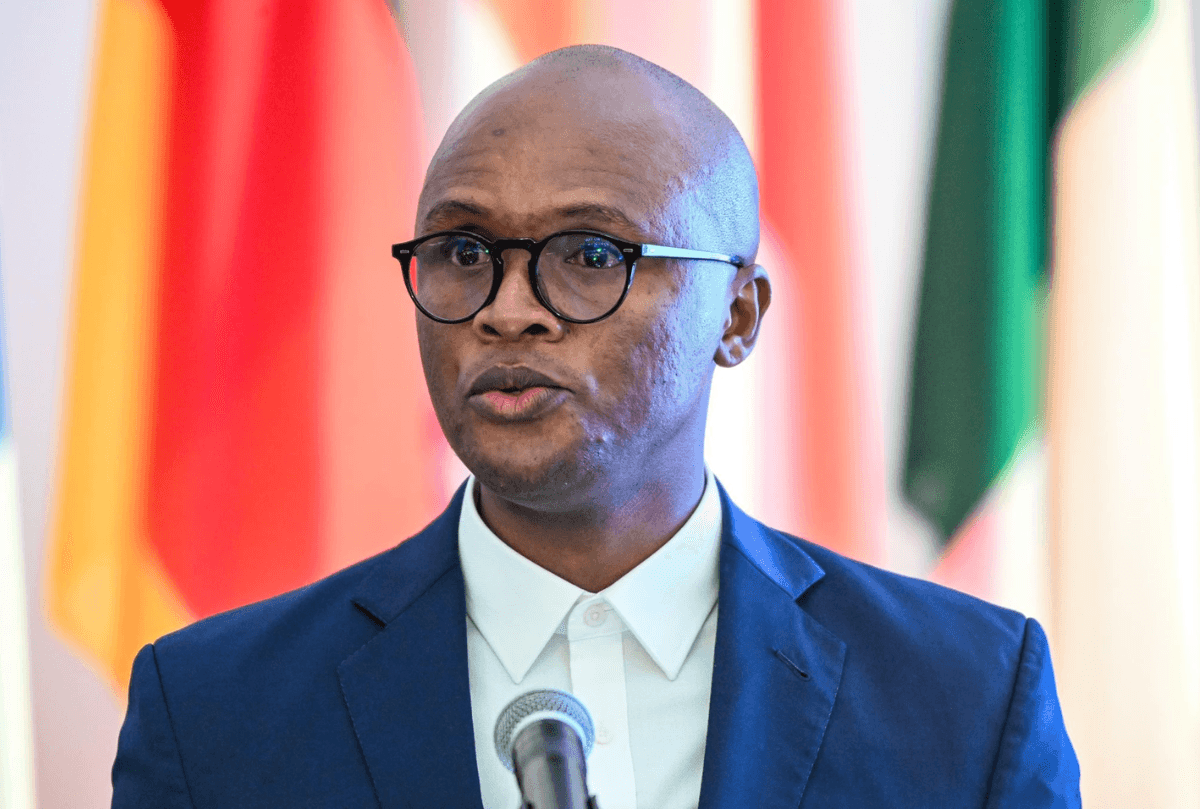
Communications and Digital Technologies Minister Solly Malatsi has told Parliament’s Portfolio Committee that his department only discovered fabricated AI-generated citations in South Africa’s draft national AI policy after the media reported them first — an admission that lays bare an oversight failure that has set the country’s AI governance agenda back by more than a year and triggered the suspension of two officials.
South Africa withdrew its draft national AI policy after references in the document could not be verified and were linked to generative AI hallucinations. Testifying on Tuesday, Malatsi described how the department responded once the problem came to light. “When it became clear to the department, more so after the News24 exposé, that at least up to a maximum of six references in the policy were attributed to AI hallucinations, we immediately internally got in touch with the DG and the officials who had been working on the policy to establish the veracity of the allegation,” he said.
Malatsi acknowledged that the incident had damaged the credibility of both the document and the broader government policy development process, and said withdrawing the draft was necessary to protect the integrity of the process and restore public confidence. He described the root cause as a serious failure of oversight. “There was a massive oversight and a non-disclosure around the use of AI in the formulation of the policy — and most importantly in the references,” he said.
The minister was blunt about the reputational damage caused by the fabricated citations. “These AI hallucination references do a major stain. They placed a very major question mark on the credibility of the document as it is,” he said.
Two officials involved in the drafting process have since been placed on precautionary suspension while the department conducts a formal investigation into how the hallucinated citations made it into a Cabinet-approved document and why they were not identified earlier. Malatsi said the process would follow public service and labour regulations to ensure fairness and due process.
As part of its corrective measures, the department has established an AI advisory panel of experts in AI governance and academia to review the policy document, authenticate its references and guide the next phase of drafting. The panel is chaired by Benjamin Rosman, director of the Machine Intelligence and Neural Discovery Institute at Wits University, and includes Vukosi Marivate, Alison Gillwald, Jabu Mtsweni, Tshepo Feela, Lufuno Tshikalange and Heather Irvine.
Malatsi said the panel is expected to finalize its terms of reference in the coming weeks and begin work on a revised project roadmap. The government aims to deliver a final AI policy before the end of the current financial year, though Malatsi noted that Cabinet processes and public consultation timelines would influence the final schedule.