A global community built around AI-assisted software development has expanded into Nigeria, with the inaugural Lagos edition of Café Cursor connecting local developers to an international network that now spans more than 50 cities.
Café Cursor is a city-based meetup format built around users of Cursor, an increasingly popular AI code editor that helps developers write, edit and debug code through natural language prompts. The Lagos edition marks the platform’s debut in Nigeria, alongside existing chapters across North America, Europe and Asia.
Organizers said the format is designed to move beyond conventional tech conferences by creating a hands-on environment where participants build software collaboratively while using AI tools in real time.
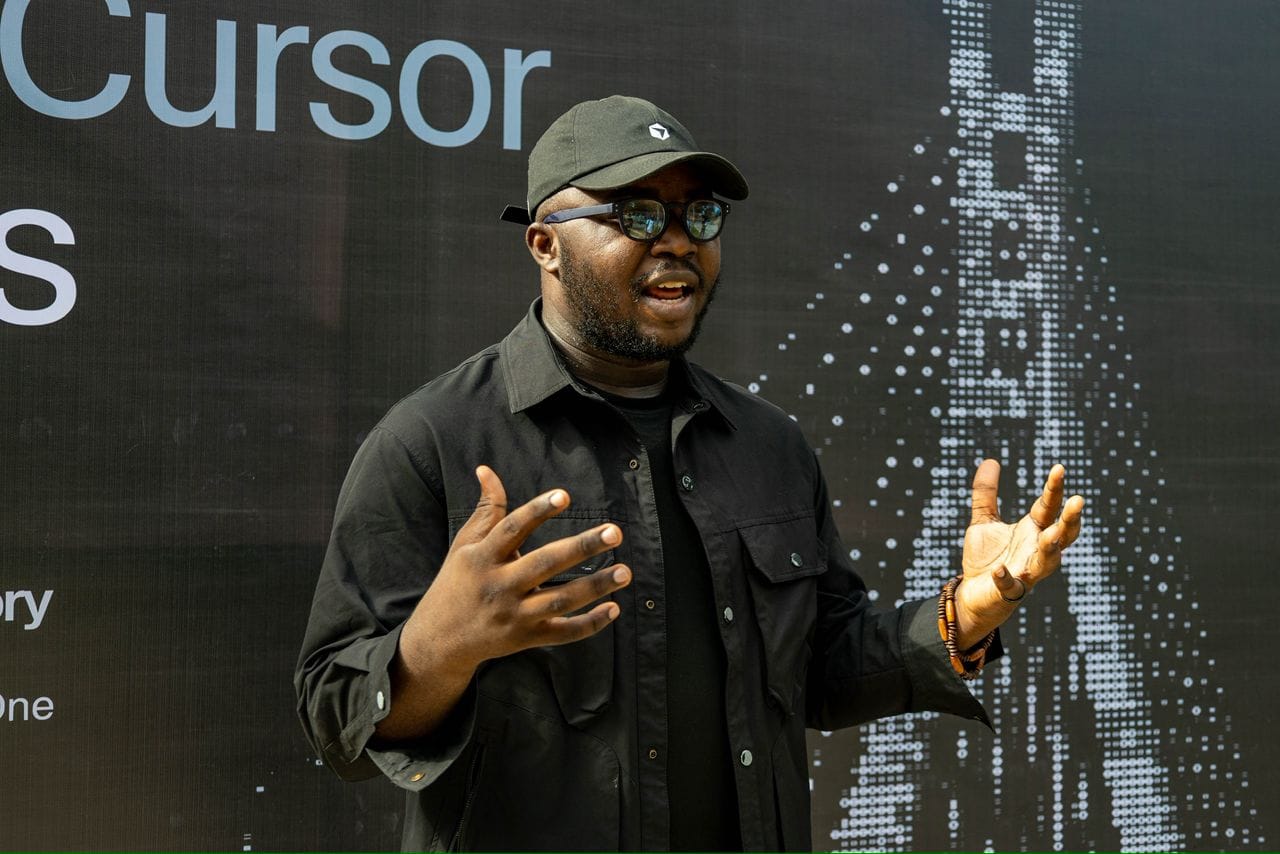
“This is not just about Cursor; it’s about ensuring Nigeria participates actively in shaping the future of AI,” said Joshua Omobola, a developer relations engineer who convened the Lagos edition. He said the goal is to reposition Nigeria from being a “late adopter” of technology toward becoming a more proactive contributor to global innovation.
Demand for the event significantly exceeded expectations. While organizers initially planned for about 100 participants, they received roughly 700 applications — a sign of rising appetite among Nigerian developers for access to AI tools and international communities. Participants included experienced software engineers, students and first-time builders, working in groups on mobile applications, web platforms and AI-driven tools, with sessions focused on integrating AI into coding, design and product development workflows.
Farhan Sodiq, co-host of the Lagos chapter, said the initiative is part of a broader effort to build a developer ecosystem around AI tools. “What we’re doing is bringing people together to learn, build, and ship products using AI,” he said. “It’s also about showing that developers in Nigeria are working with the same tools and standards as their peers globally.”
For some participants, the value of the gathering lay as much in community access as in the technology itself. Software engineer Andrew Miracle said the experience offered exposure to peers working at the cutting edge. “You’re meeting people who are building at the edge of AI. It’s not just about learning; it’s about seeing how others are working and improving your own approach,” he said.
Organizers identified access to tools and funding as a persistent challenge in Nigeria’s emerging AI ecosystem, given that many advanced platforms are priced in foreign currency and remain costly for local developers. Participants were given free usage credits during the event to lower that barrier.
Omobola also stressed the need for stronger policy engagement to scale Nigeria’s AI competitiveness. “We can’t afford to play catch-up,” he said. “We need to be part of the conversation and invest in it.”
The Lagos launch featured early collaborations with organizations including Attention Factory and Madhouse, which hosted the event, alongside the Celo blockchain network, which provides grant opportunities for developers building on its ecosystem.
Co-host Boma Boma Agina-obu said the initiative is designed to be accessible to newcomers as well as experienced developers. “You don’t need to be an expert programmer,” she said. “With AI tools, people can start building by simply understanding the problem they want to solve and describing it clearly.”
Organizers said the Lagos edition will serve as a foundation for expansion into other Nigerian cities including Abuja, Ibadan and Port Harcourt, with plans for future hackathons and larger events aimed at deepening engagement and attracting investment into the country’s AI ecosystem.