SAS, a global data and AI company, is helping South African micro-farmers make better crop decisions, improve income potential and strengthen food security through a Data for Good initiative that brings advanced analytics to some of the country’s most resource-constrained farming communities.
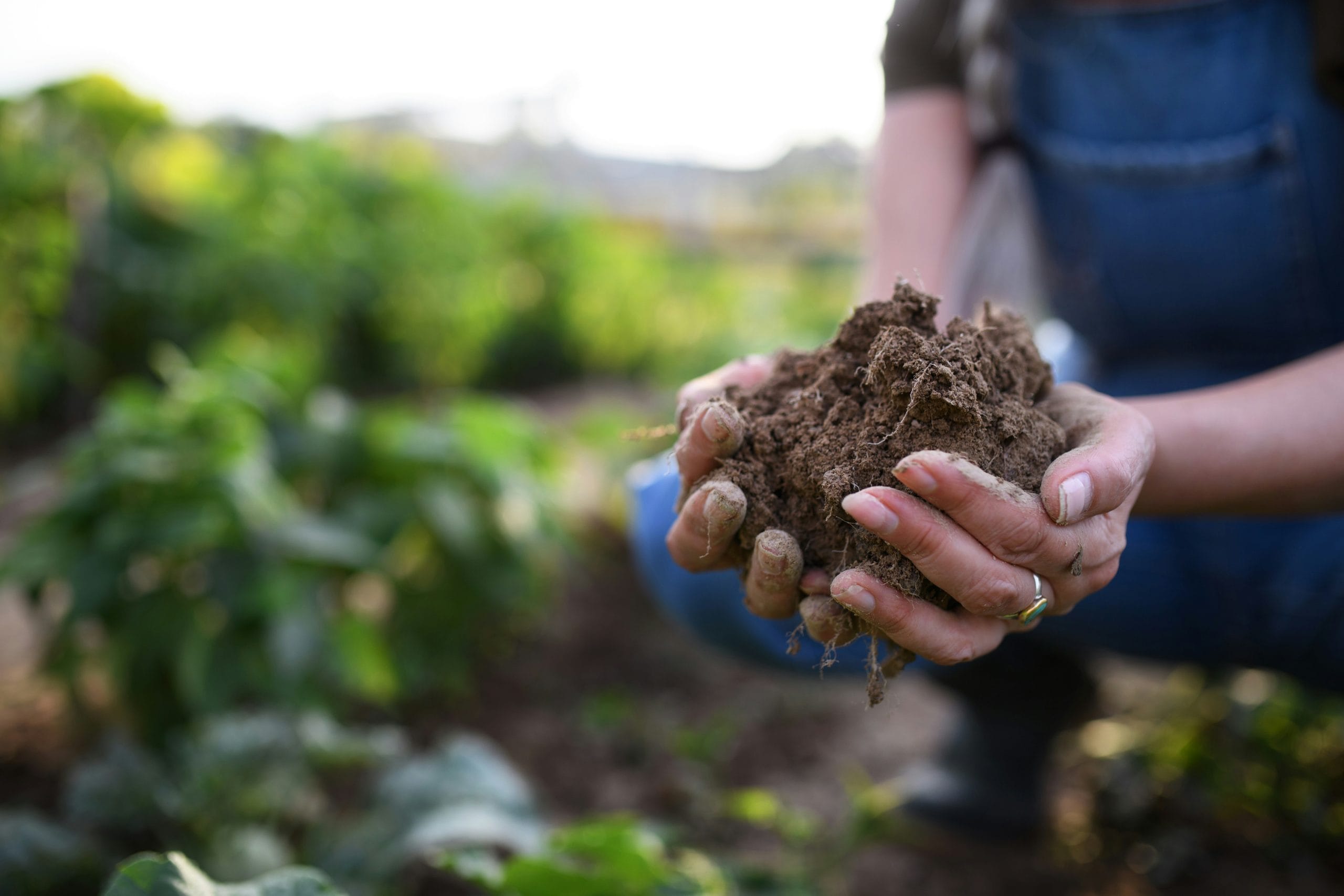
Working alongside data science consultancy dataDecisions.ai and the nonprofit The Dream, SAS analyzed seasonal crop performance, growth cycles and market pricing data from micro-farms near the Cradle of Humankind, a UNESCO World Heritage Site northwest of Johannesburg. Many of these farmers work small plots next to homes and informal settlements, often with limited access to technology, financing and reliable routes to market.
The project used analytics to identify which crops farmers should grow, when to plant them and how much to cultivate to maximize both output and economic returns. The analysis evaluated crop performance across four growing seasons, weighing growth periods, yield variability and prevailing market prices. The resulting insights help farmers make more informed planting decisions while optimizing scarce resources such as water and labor.
The approach delivers recommendations without relying on expensive digital infrastructure or on-farm sensors, making it well suited to the realities of small-scale farming.
Micro-farming plays a critical role in supporting household livelihoods and community nutrition across much of South Africa, yet farmers frequently contend with unpredictable harvests, fluctuating prices and limited access to buyers. By identifying crops that offer greater profitability and resilience, the initiative aims to reduce uncertainty and create opportunities for more stable participation in local markets, supporting a shift from informal subsistence farming toward more predictable income.
The initiative also shows how data and AI can be applied beyond large commercial agriculture to support smaller producers who often have the greatest need for better decision-making tools.
“Food security will not be solved by commercial agriculture alone,” said Hadley Christoffels, founder of dataDecisions.ai. “If we are serious about building a more resilient food system, micro-farmers must be treated as essential contributors to the formal economy, not as an afterthought. They are producing food where hunger is most immediate, yet too often they do so without the data, insights and decision support needed to make every resource count.”